

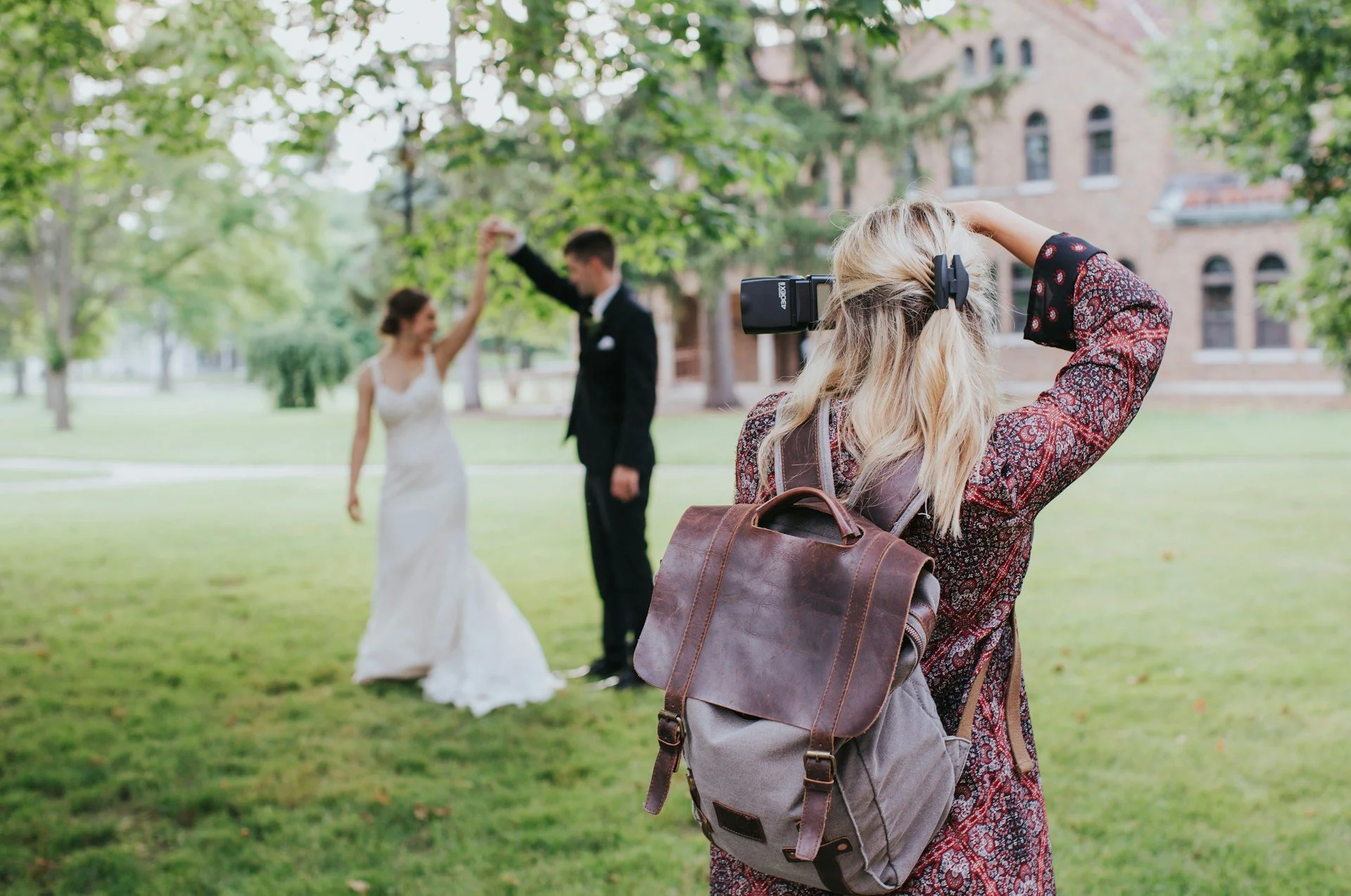
Beyond the Ceremony: Documentary Style Videography for Welcome Parties
Documentary-style videography is about real moments, not performances. For a wedding weekend in the mountains, that story usually starts long before anyone walks down the aisle.
Beyond the Ceremony: Why Welcome Parties Belong in Your Wedding Film
Documentary-style videography is about real moments, not performances. For a wedding weekend in the mountains, that story usually starts long before anyone walks down the aisle. It begins when guests arrive, drop their bags, grab a drink, and pull each other into those long, overdue hugs at the welcome party.
In this article, we are talking about why welcome parties are one of the best parts of a wedding weekend to film, how documentary-style coverage works in that setting, and how you can plan a welcome event that feels great in person and on camera. If you are planning a destination or mountain celebration, adding this first chapter can turn your wedding film into a complete weekend story instead of a single-day recap.
Capture the Whole Celebration, Not Just the Ceremony
For many couples, the welcome party is when the energy really starts. In the mountains, fall weekends bring cool air, warm light, and that mix of travel fatigue and pure excitement. Guests finally arrive, look out at the peaks, and realize the celebration is officially on.
The welcome party often shows parts of your story that a ceremony cannot. You see:
How your friends interact when they are all in one place
How families blend, reconnect, and tease each other
How different groups who have heard of each other finally meet
These are the unguarded, off-the-cuff moments that documentary-style videography is made for. Instead of posing people or giving heavy direction, we watch, listen, and quietly film the way the evening unfolds on its own.
At Après Events, we focus on cinematic yet documentary-style wedding films, especially for mountain and destination weekends. When we are invited to film the welcome party, it gives us a richer starting point. The final film feels more like a movie of the whole weekend, not just the ceremony and reception.
Why Welcome Parties Deserve a Camera-Ready Moment
Emotions start strong at the welcome party. Guests are tired from travel but happy to be there. You might be nervous, excited, or a mix of both. A lot happens before the vows.
Some of the moments we love to capture are:
Hugs in the lobby or at check-in
Friends seeing each other for the first time in years
Parents giving quick, heartfelt toasts that are not part of the formal schedule
These early emotions create an arc we can carry through the wedding film. When we later show the ceremony, viewers already feel the build-up of the weekend. Since guests are usually more relaxed at the welcome party, conversations are real and loose, which plays beautifully on camera.
A welcome party is also where your people get to be themselves without a tight timeline. With documentary-style videography, we keep the focus on:
Mingling and laughing
Spontaneous speeches and stories
Inside jokes and casual conversations
For couples who feel shy on camera, this can be a relief. The attention is shared. Your film becomes more communal and less about a single spotlight on the two of you.
For destination and mountain weddings, the welcome party also tells the story of the trip itself. Guests have taken time off, booked flights, driven winding roads, and now they are all together with a drink in hand. Filming that sense of "we made it" gives context to the rest of the weekend and creates a natural prologue for the main film.
What Documentary-Style Videography Looks Like at a Welcome Party
At a welcome party, documentary-style coverage is about quiet observation instead of heavy direction. We often work with longer lenses and stay on the edges of groups, which lets us capture hugs, clinks, and laughter without stepping into the middle of every moment.
We are not asking guests to redo greetings or hold poses. We blend in so people can forget the camera and relax. Compared to more traditional, highly posed coverage, this approach feels lighter and more natural for everyone in the space.
Storytelling at a welcome party also comes from details. We pay attention to:
Decor and signage that set the tone
Welcome bags, local treats, and regional touches
Signature cocktails and food stations that reflect the setting
We love transitional moments too, like guests stepping off shuttles, warming their hands by a fire pit, wrapping up in cozy layers, or clinking glasses under string lights. These bits become visual anchors in the edit and help place your viewer in that specific time and place.
Sound is a big part of documentary-style videography. Instead of only layering music tracks later, we keep:
Ambient laughter and background music
The crackle of a fire or the rush of wind in the trees
Murmurs of conversation and short, informal toasts
If you plan a quick welcome speech or a few casual remarks, those can become beautiful voiceover moments in the final film. Real audio helps your welcome party scenes feel like you can step back into them years later.
Designing a Welcome Party That Films Beautifully
You do not need to design your welcome party around cameras, but a few choices can help it both feel good and look good. Light is one of the biggest factors. When possible, timing part of the event near golden hour can be lovely, especially in the mountains where sunsets can be dramatic.
For evening events, consider:
String lights over main gathering spots
Lanterns on pathways and cocktail tables
Candles on bars and lounge tables for soft, flattering light
Creating one or two visually rich hubs, like a fire pit lounge or a cozy bar area, naturally draws guests and gives us strong focal points for storytelling.
Layout helps too. Scattered cocktail tables and lounge groupings encourage guests to move and mix instead of staying in one tight cluster. Little nooks or quieter corners are where we often catch more emotional one-on-one conversations.
A loose flow also supports good storytelling. For example, arrivals, casual mingling, a brief welcome or toast, then open time for guests to relax and play. Knowing these beats lets us be ready when key moments are likely to happen.
Activities can be simple but still amazing on camera. Great options include:
S'mores around a fire
Lawn games with kids and adults playing together
Local wine or beer tastings
A casual acoustic musician or small group
In mountain or destination settings, some couples also plan a welcome hike, gondola ride, or stargazing by the lodge. The goal is never to perform for the camera, but to give guests natural reasons to laugh, move, and linger together.
How to Work With Your Filmmaker on Welcome Party Coverage
To get the most from documentary-style videography at your welcome party, sharing some context with your filmmaker helps a lot. Before the weekend, it can be useful to point out:
VIP family members and close friends
People with important roles in your story
Any planned surprises or special traditions
Details like who traveled the farthest, or who is meeting for the first time, help us know where to quietly keep an eye out.
It is also important to talk about presence and privacy. Some couples want almost everything covered, while others prefer lighter filming in certain areas or during more emotional conversations. Documentary-style coverage can be as discreet as needed, and clear boundaries help everyone feel comfortable.
Finally, decide how you want the footage used. Some couples like their welcome party woven throughout the main wedding film. Others choose a separate weekend highlight that covers arrival, welcome party, and small in-between moments.
When we film mountain and destination weekends at Après Events, we love building a full story arc. Welcome party coverage is a powerful way to give your future selves, and future generations, a true sense of what it felt like to be there from the very start.
Get Started With Your Project Today
If you are ready to preserve your celebration with authentic, story-driven film, we If you are ready to preserve your celebration with authentic, story-driven film, we would love to collaborate with you. Explore how our approach to documentary-style videography keeps the focus on real moments, real emotions, and the people you love. Then reach out so we can learn about your plans, answer your questions, and start shaping a film that feels like your day. Use our contact form to connect with Après Events and begin planning your custom coverage.
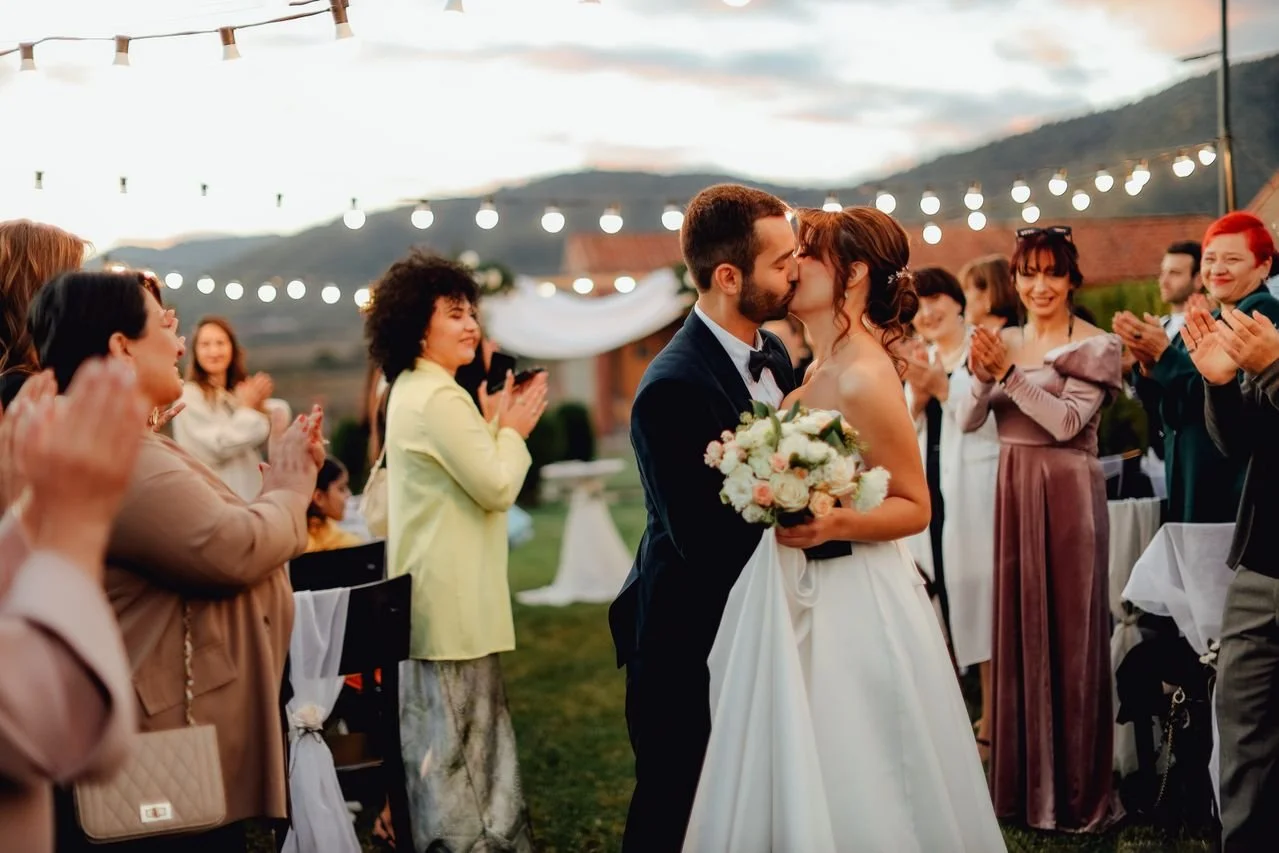
Natural Sound in Jackson Hole Wedding Films: When to Use It vs. Music
Learn how to record vows, wind, water, and crowd ambience for wedding videography in Jackson Hole, with seasonal tips and when to use music.
Hear the Tetons in Your Wedding Film
A Jackson Hole wedding is not just about pretty views and nice outfits. It is about the way the wind moves through the pines, the sound of the river below the overlook, and the crack in your voice when you say your vows. Sound is what makes those memories feel real when you watch your film years from now.
When we talk about natural sound, we mean everything your ears pick up that is not the soundtrack music: vows, toasts, soft laughter, clinking glasses, wind, water, birds, a crackling fire, even the quiet between words. Music is important, but it should not cover the life of the day. Here, we will share how wedding videographers in Jackson Hole use those natural sounds across the seasons, and when it is better to let the music lead instead.
Why Natural Sound Makes Mountain Weddings Feel Real
In the Tetons, the most powerful moments are often the quiet ones. When you can hear the tiny shake in a voice during vows, the pause before saying “I do,” or the burst of laughter during a toast, the emotion lands in a different way. You are not just watching, you are right back in it.
Natural sound does a few big things for your film:
Makes emotions feel honest, not staged
Gives your story a sense of time and place
Adds texture so the film feels cinematic, not like a slideshow under one song.
Mountain ambience adds another layer. The low rush of the Snake River, gravel underfoot as you walk to your first look, a distant elk bugle at dusk, or the soft murmur of guests at a ranch dinner all tell your brain, “I am in Jackson Hole.” When we blend that with the sound of your vows, your film starts to breathe, instead of feeling like silent images with background music.
Capturing Vows and Voices Clearly Outdoors
Outdoor ceremonies in Jackson Hole are beautiful but they are not quiet. You might have gusty ridgelines, strong river noise, wide meadows where sound drifts, or guests spread out in chairs with no walls to bounce sound back.
To protect your vows and speeches, professional filmmakers plan for layers of audio, like:
Lavalier mics hidden on the couple and officiant
A small audio recorder at the altar as backup
A clean feed from your DJ or planner’s sound system, if there is one
We work with the elements, not against them. That might mean placing mics under lapels, veils, or ties so they are out of sight but shielded from wind. We do quick sound checks with the officiant, coordinate with your planner about where speakers will be, and listen for loud rivers or generators that might need to be worked around. The goal is simple: your words should feel close and intimate, even if the ceremony takes place in a wide-open field.
Wind, Water, and Wildlife Across the Seasons
Jackson Hole sounds different in every season, and that changes how we record and use natural sound in your film.
In early fall, the air is crisp and the aspens start to rustle. Rivers often run a bit quieter, so we can pick up detailed ambience without it overwhelming your vows. This season is wonderful for gentle sound layers like:
Leaves moving softly in the breeze
Boots on dry dirt or gravel paths
Warm crowd chatter under reception toasts
Winter weddings bring a completely different sound world. Footsteps land with a muffled crunch in the snow. You might hear the low hum of a chairlift, or the sharp hiss of cold wind on a ridgeline. Inside a lodge, fire pops in the fireplace and glasses clink in a cozy way. We often use winter sound in a very selective style, so that one clear match strike or one gust of wind can make the whole moment feel like a storybook.
Spring and summer are full of energy. Snowmelt feeds rushing creeks, birds are busy at sunrise, and afternoon thunderstorms can rumble through fast. Outdoor receptions in this season are usually lively and loud. When we film weddings in Jackson Hole at this time of year, we pay close attention to:
River and creek noise near ceremony spots
Strong winds that can hit open meadows
Thunder, music, and crowd levels at tented receptions
We want the wildness of the Tetons to come through without drowning out your voices, so we record extra backup audio and later balance it carefully in the edit.
Crowd Ambience That Supports Your Story
Not all crowd noise is equal. Some of it is gold, and some of it just gets in the way. We listen for intentional crowd sounds that add to your story, like:
Cheers at your first kiss or processional
The roar when you walk into your reception
Soft clinking and low talk during dinner
Those sounds help the film feel alive and social. On the other hand, constant chatter over vows or toasts can pull focus. In editing, we layer in room tone, small moments of laughter, and dance floor energy so you feel the scene without losing the words that matter most.
Sometimes, the best parts are the unplanned ones. A family inside joke shouted from a table, a beloved song chorus sung by everyone on the dance floor, or a short surprise toast from a grandparent can become the clip your family replays forever. When those are captured cleanly and woven into the story, they turn into real heirloom sound bites.
When to Feature Natural Sound vs. Music
Natural sound and music are both tools. The magic is knowing when each one should lead. We often keep natural sound front and center in:
Private vow readings
Letters read while getting ready
First looks in the trees or by the river
Quiet walks between photo spots
Emotional, story-driven toasts
In those moments, every word, breath, and pause matters. Music still sits underneath, but it is soft, like a bed for the sound of your voices.
Other times, music does the heavy lifting. Wide landscape shots of the Tetons, busy getting-ready rooms full of chatter, or wild dance floors with a lot of competing sound often feel better when a great track ties it all together. With wedding videography in Jackson Hole, we like to shift between the two, such as fading the music down so one line of vows can land, then bringing it back up for a sweeping drone shot. That rise and fall in the soundtrack helps guide your emotions as you watch.
How We Design Sound for Your Jackson Hole Story
At Après Events, we think about sound long before your wedding day. We listen to your venue and season, plan for where wind or water might show up, and scout locations with our ears as much as our eyes. During editing, we build a custom soundscape, choosing when to let nature be loud, when to keep things soft and close, and how to let music and natural sound trade places.
We also talk with couples about what they care about most. Some people want to hear every bit of the wind and the river and feel wrapped in the Tetons. Others want their vows and speeches to sit clearly above everything else. Our job is to balance all those pieces so that years from now, when you press play, your wedding day sounds exactly the way it felt.
Get Started With Your Project Today
If you are ready to see how your story can unfold on film, explore our wedding videography in Jackson Hole to get inspired by real couples we have worked with at Après Events. We will guide you through every step, from timeline planning to capturing the subtle, in-between moments that make your day uniquely yours. Share your date, vision, and priorities with us through our contact form so we can begin crafting a film that feels true to you.

Should You Book a Jackson Hole Videographer for Your Rehearsal Dinner
Discover why hiring a Jackson Hole wedding videographer for your rehearsal dinner preserves candid moments and sets the story for your wedding film.
Capture the Story Before the Aisle
Booking your Jackson Hole wedding videographer is usually all about the wedding day, the dress, the vows, the dance floor. But the night before, at the rehearsal dinner, is often where the story really starts to open up. Friends arrive from long flights. Parents relax a little. The Tetons catch that soft, golden light as everyone settles into the mountains and into the weekend.
In late summer and early fall, evenings here feel calm and clear. People linger outside with jackets over their shoulders, then move into warm lodge rooms or cozy barns for dinner and toasts. Those first hugs, jokes, and heartfelt words can be every bit as meaningful as the ceremony, just less formal and more real. So the big question comes up: should you ask your Jackson Hole wedding videographer to film the rehearsal dinner, or save all the coverage for the wedding day?
Why the Rehearsal Dinner Matters More Than You Think
The rehearsal dinner is often the emotional warm-up for the whole weekend. On the wedding day, nerves and timelines sometimes make it harder for people to open up. The night before feels looser and more relaxed, which changes the kind of moments you get.
Here is what often happens at a Jackson Hole rehearsal dinner:
Parents who might be shy with a microphone at the reception suddenly feel comfortable telling longer stories
Siblings share funny, unfiltered memories that would not quite fit into a formal toast
Friends who have known you for years speak from the heart without worrying about the clock
For many couples planning a destination wedding in Jackson Hole, the rehearsal dinner is also the first true gathering of both families and friend groups. People are meeting, reconnecting, and finding common ground over a shared table. You get:
First introductions between families
Old friends from different seasons of life mixing for the first time
Quiet, meaningful conversations in corners that say a lot about your relationships
Early autumn here brings crisp air once the sun drops behind the peaks. There might be twinkle lights over a patio, candles on long wooden tables, and guests in layers after a day exploring the valley. The mood is different from the wedding day itself, and that shift in energy is something film can hold onto in a really special way.
How a Jackson Hole Wedding Videographer Elevates the Night
When we film a rehearsal dinner, we are not just adding “extra footage.” We are deepening the story of your weekend. The wedding film becomes less about just one day and more about the full arc of the celebration.
Rehearsal coverage lets us weave in:
Welcome speeches that set the tone for the weekend
Roasts and toasts that give insight into your history
Short, unscripted clips of people laughing, hugging, and settling in
Those words and reactions often become the emotional backbone of the final film. A simple line from a parent or a friend can thread through the edit and give your vows, your first look, and your first dance even more meaning.
There is also the sense of place. As a Jackson Hole wedding videographer, we pay attention to how the light hits the Tetons at dinner time, how the sky shifts from bright to soft blue to full night, how your venue glows against the mountains. Whether you are at a lodge, a ranch, or an outdoor deck, that backdrop makes the evening feel cinematic without trying too hard.
A good filmmaker will also work in a way that does not pull attention away from the moment. We move quietly, read the room, and let people forget the camera is there. That keeps the relaxed, intimate feel of the night while still giving you a polished record of it.
What to Consider Before Adding Rehearsal Coverage
Not every couple needs rehearsal dinner coverage, and that is okay. It helps to walk through a few questions before you decide.
Think about your timeline and plans. Ask yourself:
Will most of your important speeches happen at the rehearsal instead of the reception?
Are you including special traditions, like blessings, cultural ceremonies, or shared stories?
Is there a welcome party, float on the river, or ranch event tied into the evening?
If the answer is yes to any of these, filming the night before might carry more weight for you.
Budget and value also matter. Rehearsal coverage adds to the overall investment, so it makes the most sense for couples who care deeply about storytelling, family legacy, and having a full weekend narrative instead of only a highlight of the wedding day itself.
Finally, consider the venue and timing. In early fall around Jackson Hole, sunset can be stunning, but evenings get dark quickly. Think about:
Whether the event is outside or inside
What time speeches will start and how that lines up with light
How much ambient light or candlelight there will be once the sun sets
These details all affect the look and feel of the final footage.
Making the Most of Your Rehearsal Dinner Film
If you decide to have your Jackson Hole wedding videographer there the night before, a little planning goes a long way without making the evening feel stiff.
We usually suggest keeping the plan light:
Share a loose run of show with your filmmaker so they know when toasts or special moments will happen
Mention any surprises or traditions you want to be sure get covered
Leave plenty of room for the night to unfold naturally
Audio is a big part of what makes rehearsal footage powerful. The words, the laughter, the pauses, they all matter. Simple choices can help a lot:
Use a microphone for toasts, even in a smaller room
Hold speeches in a slightly quieter spot so voices do not fight with background noise
Remind speakers to face your guests, not the bar or the open door behind them
Good coordination with your full team helps as well. Your planner, photographer, and videographer can talk about timing so nobody is scrambling or blocking each other’s view. That kind of calm, behind-the-scenes teamwork helps keep your guests fully present.
When Rehearsal Coverage Is a Definite Yes
There are a few types of Jackson Hole wedding weekends where we strongly suggest rehearsal coverage.
It is usually a clear yes if:
You are planning a full destination weekend with welcome events and group activities
The rehearsal evening is where most of the toasts and storytelling will happen
You are bringing people in from all over and want to remember the first night you were all together
It also matters a lot if family legacy is important to you. Seeing parents, grandparents, and older relatives in a quieter, more intimate setting can become some of the most treasured parts of your film. As the years go by, those voices and smiles tend to mean more and more.
When you look at it this way, hiring a Jackson Hole wedding videographer for your rehearsal dinner is not just about having extra coverage. It is about honoring the full story of your weekend, from the first hugs and welcome speeches through to the last dance. For some couples, the wedding day alone is enough. For others, the night before holds too many once-in-a-lifetime moments to leave to memory alone.
Get Started With Your Project Today
If you are ready to see how your story could look on film, explore what we create as a trusted Jackson Hole wedding videographer. At Après Events, we collaborate closely with you to understand your vision, your priorities, and the moments that matter most. Share a few details about your day so we can recommend a film approach that truly fits you. When you are ready to talk specifics, contact us to begin planning your wedding film.
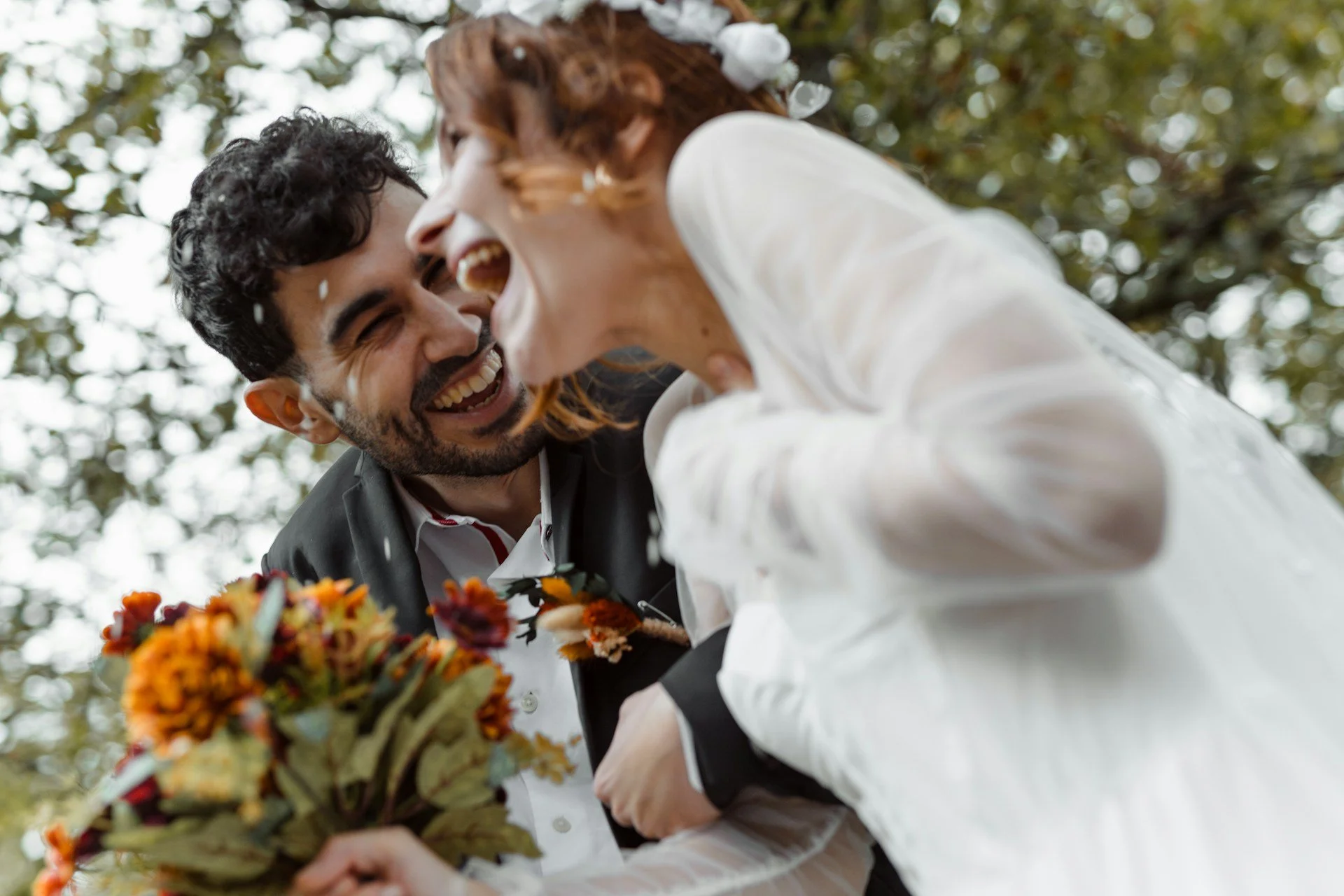
When a Jackson Hole Wedding Film Becomes a Family Heirloom
A wedding film can outlive every trend, every social platform, and even the way you look at yourself today.
The Quiet Power of a Wedding Film That Lasts
A wedding film can outlive every trend, every social platform, and even the way you look at yourself today. It becomes something your kids and grandkids pull up on a quiet afternoon, just to hear how you sounded when you promised each other everything. That is the quiet power of a film that is made to last, not just to post.
Picture a late-summer celebration in Jackson Hole. Golden light softens the edges of the Tetons, wildflowers sway in the breeze, and family gathers from every corner of the country. Vows catch in your throat, a grandparent wipes away a tear, and the sky slowly turns from blue to that soft, smoky pink. A wedding film can hold all of that, not as simple “coverage,” but as something that carries the voices, movement, mountain air, and emotional heartbeat of the day.
As a Jackson Hole wedding videographer, we think of a wedding film as a future family heirloom. It is not just a record of what happened, but a living memory that feels rich and layered every time you press play.
From Trendy Highlight Reel to Timeless Heirloom
Quick, flashy highlight reels may be fun for a week or two, but they can age fast. Filters, trendy songs, and choppy edits can feel tied to one moment in internet time. A film built with story and patience tends to stay beautiful much longer.
A timeless wedding film usually leans on:
Intentional pacing that lets important moments breathe
Clean, simple editing that does not distract from emotion
Classic color tones that feel true-to-life, not overly stylized
Audio-first storytelling that centers vows, toasts, and real words
When we create a wedding film, we think about how it will feel decades from now. Will the pacing still feel natural? Will the colors still look like your actual day? Will the story still make sense to someone who was not there?
Shooting in Jackson Hole adds another layer. The Tetons, the open sky, the way clouds move across the peaks, all of it is stunning. But a thoughtful Jackson Hole wedding videographer knows the mountains are the frame, not the subject. We weave in the landscape in a way that supports your relationships, instead of letting the views steal the show.
With an editorial eye, we focus on what your future self will care about most: the way your partner’s shoulders relax when they see you, the words your best friend stumbles through in their toast, the way your parents dance when they think no one is watching. Restraint and elegance keep the film focused on what matters.
Why Jackson Hole Is the Perfect Backdrop for Legacy Films
Some places just feel built for legacy, and Jackson Hole is one of them. The Tetons stand in the distance like they have for generations. Alpine lakes reflect the sky. Ranch venues and open meadows give a sense of space and quiet that you can almost hear through the screen.
Common elements of a Jackson Hole wedding that work beautifully on film include:
Teton views that anchor your story in a specific, unforgettable place
National park ceremonies that feel intimate, even in wide-open spaces
Ranches and lodges that offer warmth, wood, and soft window light
Dirt roads, aspens, and wild grasses that add texture without stealing focus
The mountains also carry a natural sense of time. Seasons shift but return. Snow melts, wildflowers bloom, aspens turn gold, and then the cycle begins again. When you set your wedding story against a backdrop like that, the idea of legacy feels bigger. Your love becomes one more chapter in a place that outlasts every trend.
Late summer and early fall here often mean warm evenings, crisp mornings, and long, soft light that flatters skin and scenery. Smoky sunsets, changing leaves, and clear starry-night skies add depth without screaming a specific trend year. A Jackson Hole wedding videographer who films in these conditions often understands how to adapt to quick light changes, mountain weather, and the logistics of remote spots, so that your film feels effortless, not stressed.
Capturing More Than Poses: Preserving Personality and Voice
Posed portraits are lovely, but they are only one small part of the story. The real treasure in a wedding film is usually sound and movement. Hearing someone’s voice again many years later can be surprisingly emotional.
Audio matters in ways photos simply cannot match:
A late grandparent’s laugh that you did not know you had captured
A parent’s voice shaking during a toast
The little jokes in your private vows that only you two understand
The crowd reacting when you walk back up the aisle together
Candid moments often turn into the clips families replay the most. Kids chasing each other in tiny boots, friends dancing under bistro lights, someone wiping away tears during the ceremony, the wind catching your veil just right. These are the details that pull you right back into the feeling of the day.
At Après Events, we pay close attention to the in-between. The dress being zipped, a cufflink being fastened, a deep breath before walking down the aisle. A quick hand squeeze that says “we are really doing this.” Over time, those small, quiet things can become the most meaningful parts of the film.
We like a relaxed, documentary-influenced style so you can stay present. When you are not “performing” for the camera, your real personality shines, and the film feels honest, not staged.
Planning Your Day with the Future in Mind
A lasting heirloom does not happen by accident. It grows out of choices made long before the wedding day. Thinking ahead about how your story will unfold on film can shape what your family has to hold on to later.
Some helpful ways to plan with the future in mind:
Choose locations that mean something to you, not just ones that look pretty
Build in time for private vows or letter readings in quiet light
Leave small gaps in your timeline so moments are not rushed
Give space for unscripted interactions with family and friends
Working with your Jackson Hole wedding videographer early in the planning process can also help with things like lighting, sound, and timing. For example, shifting your ceremony by even a short amount of time might give you much softer light. Planning where to place speakers or how to handle wind can protect your vows and toasts so future generations can hear every word.
You can also involve your family directly in the story. Simple ideas include:
Short legacy interviews with grandparents or parents
Moments that honor family traditions or cultural details
Filming rehearsal dinner, toasts that might not happen again
Once the film is created, think about how you will protect it long term. Back it up in multiple places. Mark anniversaries by watching it together. Share it with extended family who could not attend. Over the years, it can become part of how your family remembers itself.
Turn Your Jackson Hole Wedding Into a Lasting Heirloom
When you plan a Jackson Hole or mountain wedding, you are already thinking big: big views, big feelings, big meaning. Extending that same care to your wedding film means you are not only creating something for yourself, but also for the people who will come after you. One day, someone you have not met yet may press play and see where their story began.
At Après Events, we are a boutique wedding film house rooted in this place, focused on refined, story-driven wedding films for adventurous couples. We think in terms of decades, not days. Your wedding will be one beautiful, full, fleeting day, but with the right film, you can keep coming back to it, hearing the laughter and the promises, and remembering exactly how it all felt.
Get Started With Your Project Today
If you are ready to see how your story can unfold on film, explore what is possible with a Jackson Hole wedding videographer who focuses on honest, artful storytelling. At Après Events, we take the time to understand your vision so every look, laugh, and landscape feels true to you. Share a few details about your day and we will walk you through next steps, from availability to a custom proposal. Reach out today through our contact form and let’s begin planning a film you will want to replay for a lifetime.
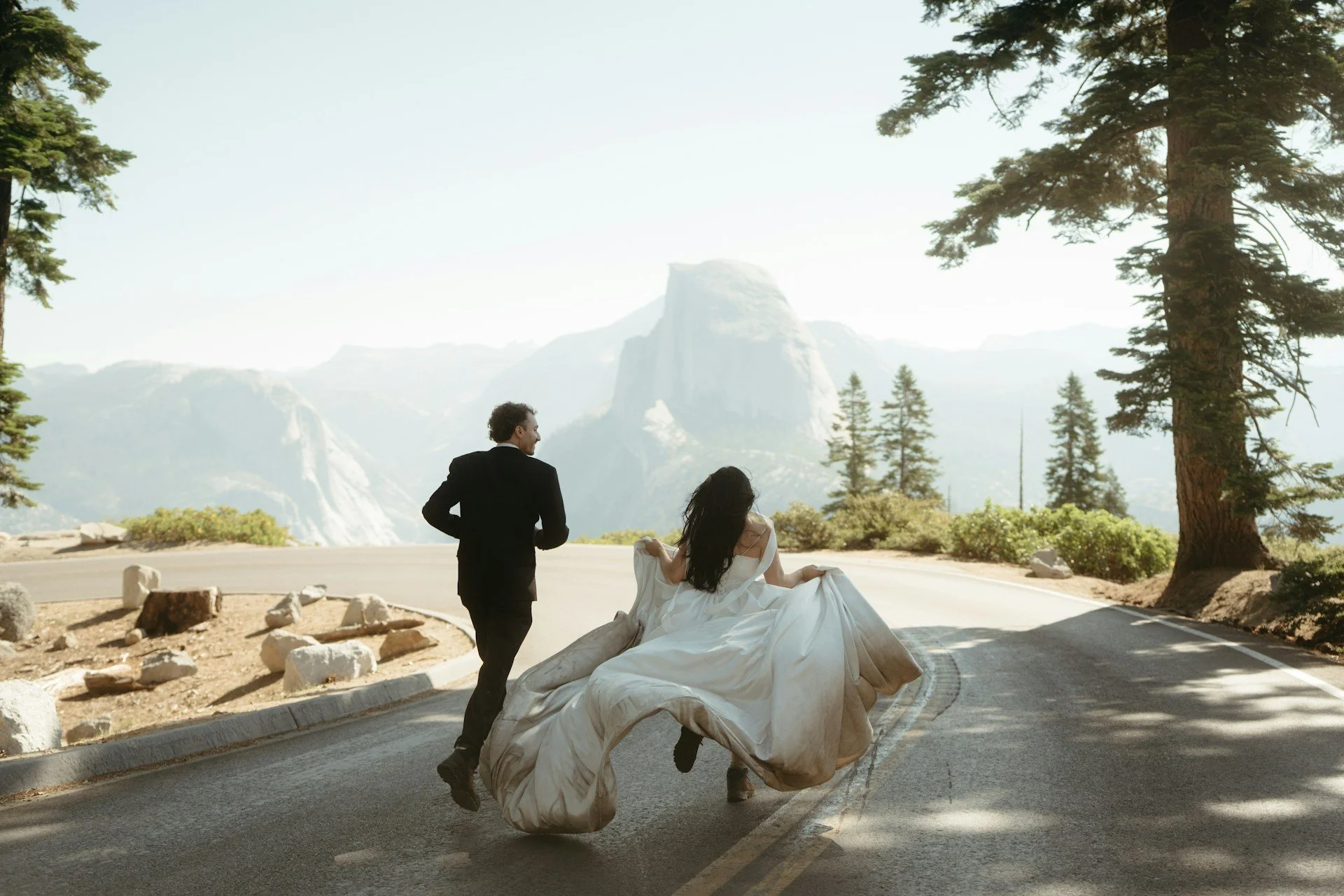
Eloping in Jackson Hole: What Boutique Wedding Films Capture
Why Jackson Hole Elopements Need More Than Just Photos
Eloping in Jackson Hole feels bigger than regular life. The air is thinner, the light hits the mountains in a special way, and small moments suddenly feel huge. When the first alpenglow touches the Tetons, the sky turns soft pink, the ground is still cold, and your breath hangs in the air as you say your vows. The wind tugs at a veil, a raven calls from a pine tree, and the echo of your words bounces off rock and snow.
All of that is hard to hold in a single frozen frame. Mountain elopements are full of movement, sound, and shifting light. Your story is in the way your boots crunch on the trail, the way your jacket rustles when you pull each other close, the way you laugh when a gust of wind almost steals your hat. Photos are beautiful, but they cannot carry the full feeling of that thin mountain air and that wide horizon.
This is where a boutique Jackson Hole wedding videographer comes in. The goal is not just to record what happened, minute by minute. It is to build a handcrafted film that breathes like the day did, with a beginning, a middle, an end, and an emotional arc. Instead of simple coverage, the focus is on story, pacing, and feeling, so your elopement looks the way it felt from the inside.
What Boutique Wedding Films Notice That Others Miss
On a mountain elopement day, the big moments are obvious. The first look with the Tetons behind you, the kiss after your vows, the wide shot of you standing above the valley. Boutique filmmaking pays close attention to the small, in-between parts too, because that is where your real story often lives.
A boutique film house will notice things like:
The nervous little laugh as you stop to catch your breath on the hike up
The way your hand finds your partner's on a steep section of trail
The deep inhale before you start reading your vows aloud
The shared grin when you see the ceremony spot for the first time
The soft slump of your shoulders when the nerves finally drop away
Sound plays a huge part in this. In the mountains, sound is not just background, it is texture. A story-led film will lean into:
Wind moving through the pines and sage
The crunch of gravel or packed snow under boots
The far-off rush of the Snake River
Birds calling at sunrise, or quiet lake water slapping a boat
The officiant's voice echoing gently around you
Instead of slapping a trendy song on top of generic clips, a boutique Jackson Hole wedding videographer will build a soundscape that supports your story. Footage is chosen with care, not just for how it looks, but for how it feels. Editing rhythm follows the day: slower, calmer cuts for quiet moments in a cabin, quicker, more energetic cuts when you are hiking or driving through the valley.
Color also matters. Jackson Hole has its own palette: cool blues in the shadows of the Tetons, soft pink and orange at sunrise, dusty gold in late summer, deep greens by the river. A boutique approach respects those real tones instead of pushing them through a heavy filter. The result is a film that feels timeless, not tied to a passing editing trend.
Turning the Jackson Hole Landscape Into a Character
In a strong elopement film, the place you choose is not just a backdrop, it is a character. Here in Jackson Hole, the Tetons, the Snake River, the meadows, and the sky each play a part in your story. A filmmaker who knows this area will look for how the landscape changes through the day and weave that into your film.
That might look like:
A quiet valley before sunrise, then brightening light on the peaks as you get ready
Clouds building over the ridge as you exchange rings
Afternoon wind picking up in the grasses as you share a toast
Stars slowly appearing above the dark silhouette of the Tetons
Different seasons shift the mood. Late summer can bring wildflowers along the trail and long, warm evenings. Earlier in the season, you might see snow still clutching the high peaks. Some days have a soft haze from distant fires, which can turn sunsets into deep orange scenes. A story-led film embraces these changes and uses them to set the pace and tone.
Framing and movement matter too. Thoughtful use of tools like drones can make the land feel huge without drowning out the intimacy. The goal is not constant swooping shots, but a few wide, breathing views that show where your small, personal moment sits inside this giant valley. A steady handheld shot of you holding hands, paired with a slow aerial view of the whole scene, helps the land feel present and close, not just like a postcard behind you.
Capturing the Adventure Without Losing the Intimacy
Many couples come to Jackson Hole because they want that sense of adventure. Maybe that means hiking to a quiet overlook, taking a boat across Jackson Lake, or walking a dusty trail in wedding clothes and worn-in boots. A strong elopement film can show all of that while still keeping the focus on the two of you and your connection.
The balance comes from pairing big moments with very small ones, like:
Epic shots of you on a ridge with storm clouds in the distance
Then a close-up of you zipping each other's jackets against the wind
Wide frames of a boat ride across the lake
Then a soft shot of one of you pouring coffee back at a cabin at dawn
Behind the scenes, a boutique film house is quietly planning for mountain specifics. Things like shifting weather, trail times, changing light, and altitude are all part of the day. With thoughtful prep, there is room for the story to unfold without stress. You get to stay present, while the filmmaker adapts around you.
We also believe less gear often means more honesty. When cameras are small and direction is light, you stop feeling like you have to perform. Trust between you and your filmmaker lets you forget about the lens and focus on each other. That is when true, unguarded emotion shows up, and that is what makes a film feel like your day, not a staged shoot.
How to Choose the Right Jackson Hole Wedding Videographer
If you are planning an adventurous elopement, the person who films it will be with you in some very personal moments. It helps to choose someone whose work and approach match what you want your day to feel like.
When you look at portfolios, watch for:
Real elopements in mountain or outdoor settings, not only styled shoots
Films that use natural sound, not just music
Stories that feel clear and easy to follow from start to finish
Consistent quality across different seasons and lighting conditions
Edits that feel timeless, not heavily filtered or trendy
A few helpful questions to ask might be:
How familiar are you with Jackson Hole locations, permits, and park rules?
Are you comfortable with hiking, early starts, or late finishes if needed?
How do you plan for changing weather or last-minute shifts?
How do you work with planners and photographers so the day feels smooth, not crowded?
How do you handle sound recording in windy or outdoor settings?
Also pay attention to how you feel when you watch their sample films. Can you see yourselves in those stories? Do the couples seem relaxed and real, or posed and stiff? Does the pacing match your vision of a laid-back, adventure-forward elopement, or does it feel too rushed or too slow for your taste?
Craft the Elopement Film You Will Want to Relive Forever
Your Jackson Hole elopement is one day, but you will carry it with you for a long time. It helps to think not just about how it will look on Instagram next week, but how you will want to remember it years from now. Whose voice will you want to hear again? Which tiny looks and gestures will matter most when the details start to blur?
At Après Events, we build refined, emotionally focused films for couples who love wild places like the Tetons. When a Jackson Hole wedding videographer understands both the land and the heart behind an elopement, they can turn the wind, light, and quiet words you share into a film that feels like your story, and no one else's.
Get Started With Your Project Today
If you are ready to see how your day can be preserved with intention and artistry, take a look at our work as a Jackson Hole wedding videographer. At Après Events, we collaborate closely with you to understand your story, priorities, and the feeling you want your film to carry for years to come. When you are prepared to talk through your date and vision, contact us so we can begin planning a film that genuinely reflects your celebration.
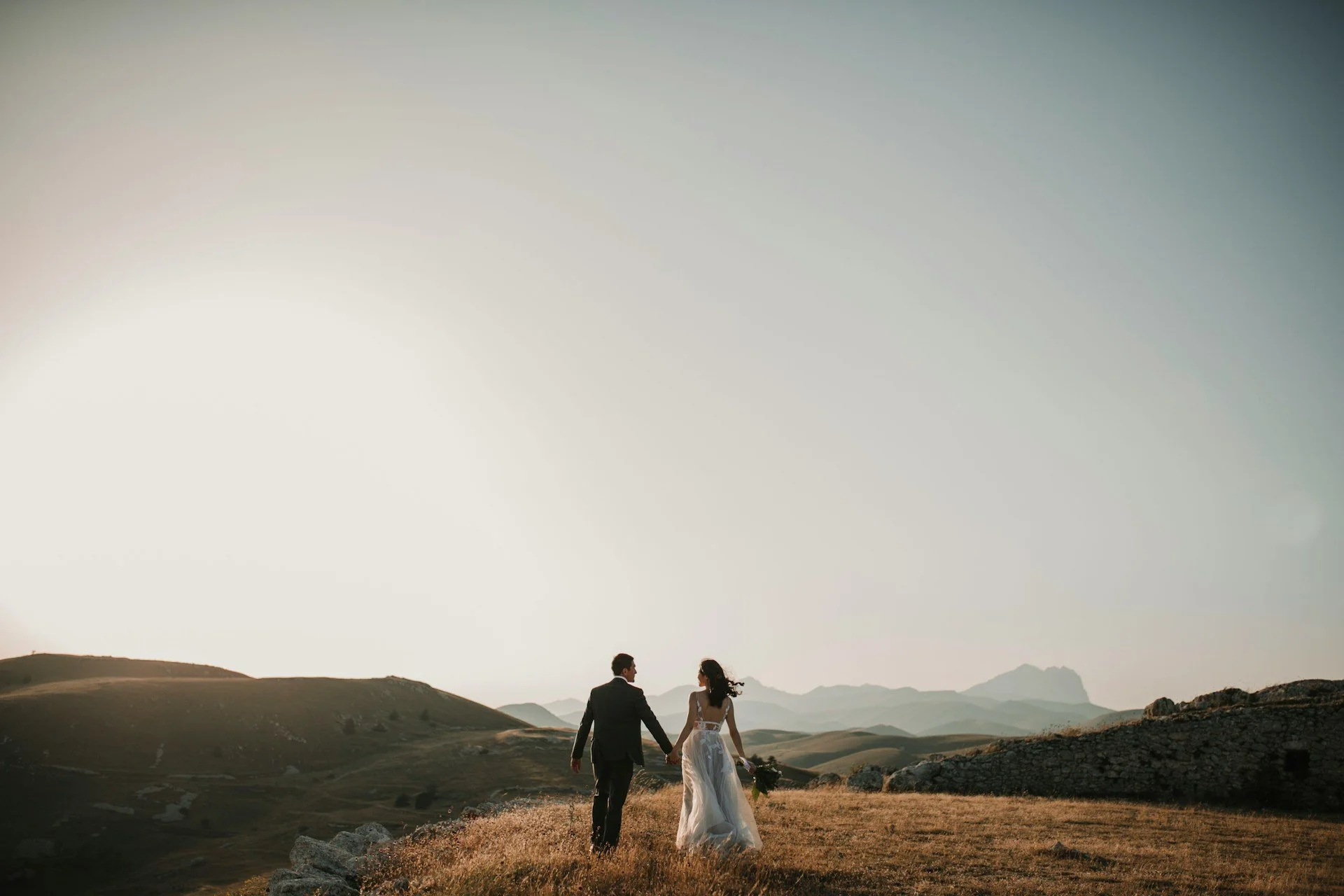
Beyond the Vows: Crafting Artistic Wedding Films in Wide-Open Landscapes
Discover how artistic wedding films capture emotion and scale in wide-open landscapes, blending cinematic storytelling with adventurous romance.
Beyond the Vows: Artistic Wedding Films in Wide Landscapes
An outdoor wedding is not just a change of scenery; it is a completely different way to tell your love story. When you say your vows with an open sky above you and miles of earth around you, your film holds a different kind of feeling, one that is harder to capture inside four walls.
In this article, we are sharing how wide-open places like cliffs, deserts, beaches, and mountains can shape artistic wedding films. We will walk through why these settings feel so emotional on screen, how cinematic storytelling works, and what to think about as you plan your day with your film in mind.
Let Your Landscape Tell the Love Story
A couple standing on a cliff edge, wind pulling at the veil, the sound of waves crashing far below. Vows carried off into the open air. In moments like this, the place is not just in the background, it feels like a witness.
More couples are moving away from traditional ballrooms and choosing wide, natural spaces that feel true to who they are. They want their films to show how they live, how they travel, and how they love, not just what the decor looked like.
Artistic wedding films turn the day into a cinematic story instead of a simple recap. The setting becomes a character that reflects the couple:
High peaks for big, brave commitment
Desert plains for quiet strength and calm
Wild coastline for movement and change
At Apres Events, we focus on refined, emotionally driven wedding videography in outdoor locations. Our favorite stories are the ones where the environment and the couple are working together on screen.
Why Wide-Open Spaces Create More Poetic Films
There is a reason big views feel so right for a love story. Open spaces naturally echo the themes that are already present in a wedding day, like freedom, devotion, and shared adventure.
These places help create more poetic films because:
Long horizons give a sense of possibility and future
Natural textures like rock, water, snow, and sand add depth and detail
The scale of mountains and canyons shows how small and connected we are
For us as filmmakers, open areas give more room to compose thoughtful frames. With fewer walls and fewer distractions, we can:
Use wide shots that place you in your surroundings
Add slow, sweeping camera movement that feels cinematic
Let you move, laugh, and hold each other without feeling boxed in
There are practical benefits for you too. Without a busy indoor backdrop, the focus stays on your faces, your hands, and your reactions. Candid moments come more easily when you can walk, explore, and forget about the camera for a while.
Late-summer can be especially beautiful for this style of film. Warm tones in the grass and sky, comfortable evenings, and slightly earlier sunsets often mean softer light and a relaxed pace for outdoor ceremonies and portraits.
How Cinematic Storytelling Elevates Your Wedding Film
Cinematic storytelling is what turns pretty clips into an artistic wedding film that feels like a movie about you. It is less about recording every single thing that happens and more about shaping a clear emotional arc.
We think in terms of:
Establishing shots that show where your story takes place
Key emotional beats like vows, first look, or a quiet pause together
Recurring visuals, like a certain mountain peak or a sway of tall grass, that tie the day together
Before the wedding, we often scout locations and talk through timing so we know how the light will move and where we want certain scenes to unfold. For example, we might plan your first look in a forest clearing with soft light, then your sunset portraits on a ridge line with a glowing sky.
During editing, we layer:
Vows and letters, to carry your own words through the film
Toasts, to add texture, humor, and heart
Natural sound, like wind, water, or crunching gravel under your feet
Music that matches the tone of your relationship
The big difference comes from intention. We are not just filming whatever happens. We gently guide certain moments, like asking you to walk a path at blue hour or pause for a kiss on an overlook to create frames that feel cinematic but still honest.
Planning Your Day Around Light, Weather, and Scenery
In open spaces, light is everything. With no ceiling or tall buildings to block the sun, the time of day can completely change the look and mood of your film.
A few simple light guides:
Golden hour: Warm, soft, and flattering, great for vows or portraits
Blue hour: Dreamy and calm, perfect for quiet, romantic shots
Midday: Bright and bold, can work well in forests or canyons with shade
For late-summer weddings, it helps to think about comfort and conditions. Temperatures can still run warm, and in some regions there might be haze from distant fires or dust in the air. A professional film team will plan for this, watching weather and light so they can adjust locations or timing if needed.
When planning your schedule, it helps to:
Add buffer time for short walks or drives between locations
Plan quick touch-ups if you are in wind, heat, or salty air
Keep a basic bag with water, snacks, and small fixes like pins or a brush
We always suggest choosing ceremony and portrait times based on light first, then shaping decor and logistics around that. When light is right, everything else on film benefits.
Working with Your Filmmaker to Shape the Vision
A strong prewedding creative call sets the tone for everything that follows. This is where we talk about how you want the film to feel: big and bold, quiet and gentle, playful, or a mix.
During that planning, we like to cover:
How important adventure is to you, from light stroll to full hike
Which views matter most, such as mountains, water, forest, or desert
Any must-have moments you already see in your head
At Apres Events, we balance light direction with real emotion. We might give simple prompts like, "Walk toward each other and meet in the middle," or, "Hold each other and stay there for a moment," instead of stiff, staged poses.
Trust matters even more in wild places. When we suggest facing a certain way for the wind or taking two more steps to frame a peak behind you, it is never about perfection. It is about helping you look and feel your best while you stay present and connected.
It also helps to share your comfort levels early. Let your filmmaker know about:
Heights or ledges that feel unsafe
How far you are happy to walk in wedding clothes
How you feel about cold, heat, or wind
That way, the plan can be adventurous but still kind to your bodies and nerves.
Bringing Your Film Home and Keeping It Timeless
When the day is over and the dress is hanging up, your film is what brings the sound, light, and feeling back to life. It is worth asking how you want that to feel years from now.
Landscape-driven, emotionally honest films tend to age well because they are built on simple, lasting things: nature, connection, and real words. Trends in decor and fashion may change, but a couple wrapped in each other on a cliff at sunset will always feel classic.
You can turn your film into a tradition:
Watching it on your anniversary at the same time you said your vows
Playing it in the backyard on a projector on a warm night
Sharing it with future children as a little window into your younger selves
At Apres Events, our goal is to create artistic wedding films that feel like heirlooms, not just videos. Your love, your favorite wild places, and a thoughtful, cinematic approach can come together to tell a story that stays true every time you press play.
Get Started With Your Project Today
If you are ready to see what your story could look like on screen, explore our collection of artistic wedding films to find inspiration for your own celebration. At Après Events, we collaborate closely with you to understand your style, your priorities, and the moments that matter most. When you are ready to move forward, contact us so we can start planning a film that feels personal, cinematic, and truly yours.
Clean Indoor Wedding Audio: Mic Placement, Room Acoustics, and DJ Feed
Learn mic placement, room acoustics, and DJ feed integration to preserve vows and speeches, elevating artistic wedding films with clean sound.
Hear Every Promise, Not Every Echo
Clean audio is what lets you actually feel your wedding again. The looks and the light matter, but the words are what you will lean in to hear for the rest of your lives. Vows, letters, and toasts only happen once, and in artistic wedding films they carry the whole story.
Indoor spaces can make that harder. Heat waves, wildfire smoke, or surprise storms can move a mountain ceremony into a ballroom, lodge, barn, or tented deck. These spaces are beautiful, but they can create echo, hum, and muddy sound that swallow up the soft parts of your promises.
At Apres Events, we think of audio as another camera angle on the day. In this guide, we are sharing how we plan mic placement, work with room acoustics, and integrate DJ feeds so vows, speeches, and small voices stay clean and clear for decades.
Building an Indoor Audio Plan That Fits the Day
Good indoor audio starts before anyone plugs in a mic. It begins with the layout, the timeline, and the people on your vendor team working as one.
We like to walk the space with the planner and DJ and talk through:
Where the ceremony will actually happen if plans change
Where speakers and subwoofers will sit in relation to the altar and seating
Where power is safe and easy to reach for audio recorders and backup gear
We also ask about your key storytelling moments. For artistic wedding films, we usually treat these as must-capture:
Personal vows and ring exchange
Letters or notes you read to each other
Off-mic moments like a first look or private vow reading
Reception toasts and any surprise speeches
For each important moment, we plan at least one backup. If a letter is read in a hotel room, we may use a small recorder plus a camera mic, not just one. If toasts move from indoors to a covered patio because of rain, we are ready to shift with them.
Indoor summer events bring their own sounds. Loud HVAC, AC vents near the altar, open bars right next to cocktail hour speeches, or heavy rain on a tented roof can all sneak into your film. Part of our job is hearing that risk early, then adjusting mic choices and positions so your words sit above the noise, not inside it.
Smart Mic Placement for Vows and Speeches
Mic placement is where the technical side of audio meets the human side of your day. We always want gear to disappear into the background while still giving us strong, clean sound.
For vows, we usually rely on tiny lavalier mics:
Clipped to a lapel or jacket about a hand-width below the mouth
Pointing up, not buried sideways in fabric
Taped or shielded so hugs do not create loud rustling
If one partner is in a dress or outfit without a lapel, we still have options. We may hide a mic in the neckline, on a sewn-in loop inside the dress, on the officiant, or in a nearby arrangement that stays close to where you speak. The goal is always to protect your comfort and your look while still getting audio that feels close and intimate.
For toasts, we lean on handheld mics and stands. A few quick tips we share with DJs and speakers:
Hold the mic like an ice cream cone, not at your waist
Keep it 2 to 3 inches from your mouth
Talk to the mic, not only to the room
We often ask the DJ to give a ten-second coaching reminder before speeches begin. Those few seconds can save an entire toast.
Redundancy is non-negotiable. When possible, we will:
Place lav mics on the officiant and one partner
Record a separate DJ feed during the ceremony and toasts
Use a small recorder on the handheld mic itself
If a battery dies, a cable fails, or someone flips a switch, another recorder is still rolling.
Taming Room Acoustics Indoors
Not all rooms sound the same. A high timber lodge in the Rockies will sound very different from a glass-walled ballroom or a canvas tent in the rain.
We read the room by listening for:
Long echoes when we clap or speak
Buzzes or rumbles from AC, refrigerators, or ice machines
Harsh reflections from glass, stone, or bare walls
Simple choices can improve things a lot. We almost always favor closer mic placement instead of relying on a camera mic across the room. We may ask to shift a speaker a few feet so it does not fire straight at where vows happen. As guests arrive, their clothes, bodies, and soft décor like draping and linens all help absorb sound and soften echoes.
There are also spots we try to avoid:
Directly under or in front of loudspeakers
Tight corners where bass builds up
Right next to AC vents, fans, or sliding doors
When we choose camera positions, we also think about how sound will hit the on-camera mics. Small angle changes often mean less harsh reflection and cleaner audio in the final edit.
Clean DJ Feed Integration Without Surprises
The DJ is our partner in keeping your story clear. Before the day, we like to confirm what kind of mixer they use, what outputs are available, and which cables they prefer.
We usually plan to bring:
XLR, RCA, and 1/4-inch cables
Adapters to match different outputs
A dedicated audio recorder that plugs into the DJ board
The DJ handles the room. Our job is to capture a separate, clean version just for the film. That is why we never rely only on audio from the cameras, especially for artistic wedding films where vows and speeches anchor the story.
During toasts, we watch input levels carefully. As the night goes on, the volume in the room rises. We will:
Set conservative input levels on our recorders
Record both the DJ feed and an on-mic recorder if possible
Keep headphones on and listen for distortion, clipping, or sudden jumps
If the DJ raises the volume for energy, we are ready so your audio does not crackle in your film.
Blending Reality and Romance in Post-Production
Once the day is over, all those tracks come together. This is where the technical planning turns back into emotion.
We sync lav mics, DJ feeds, and ambient room mics so we can choose the best source at each moment. For vows, we usually highlight the lavs, then blend in a little room sound so it feels natural, not like a studio booth. For toasts, we may lean more on the DJ feed for clarity, while using a room mic to keep the laughter and reactions alive.
In editing, we decide what you hear most:
Your voices during vows and letters
Laughter and happy tears during speeches
The crowd swelling when a big moment happens
We gently lower chair shuffles, glass clinks, and general chatter so they do not overpower what matters. Indoor weddings are real and imperfect, and we keep that feeling while still giving you a refined, story-driven film you will want to watch every anniversary.
Make Space for Your Story to Be Heard
Well-planned audio does not happen by accident. When couples treat sound as part of the plan, not an afterthought, it changes what is possible in their film. A short sound-check in the timeline, early conversations with the planner and DJ, and a simple audio plan that everyone understands will all protect your vows and voices.
At Apres Events, we build each wedding film around your words, your reactions, and the atmosphere that wraps around them, whether that is a mountain lodge, a ballroom, or a tent in the rain. With thoughtful mic placement, room awareness, and careful DJ collaboration, your artistic wedding film becomes more than moving pictures; it becomes a family record where every promise is clear enough for future generations to hear and feel.
Get Started With Your Project Today
If you are envisioning a film that feels personal, immersive, and true to your story, we would love to bring it to life with our signature approach to artistic wedding films. At Après Events, we take the time to understand your priorities, your style, and the moments that matter most. Share a few details about your day and what you are dreaming of, and we will follow up with tailored ideas and availability. When you are ready to begin, simply contact us so we can start planning your wedding film together.
Questions to Ask a Jackson Hole Wedding Videographer About Weather and Permits
Planning a wedding in Jackson Hole means epic mountains, big skies, and also very real weather mood swings.
How to Confidently Plan for Jackson Hole’s Wild Weather
Planning a wedding in Jackson Hole means epic mountains, big skies, and also very real weather mood swings. Clear morning light can turn into afternoon thunderstorms, and smoke can roll in during late summer, and the wind loves to join outdoor ceremonies. That mix is part of the magic, but it can also affect how your wedding film looks and feels.
This is why talking through weather, permits, and backup plans with your Jackson Hole wedding videographer matters so much. With the right questions, you can protect your views of the Tetons, keep gear safe, and stay calm even if the sky changes its mind. Our goal here is to give you clear, simple questions to ask so you feel ready instead of stressed when wedding day weather does what mountain weather does.
Weather Questions That Protect Your Wedding Film
Start with the basics: what kind of weather is likely for your date and time of day, and how does that shape your film?
Smart questions to ask about seasonal expectations and timing:
What typical weather can we expect for our date and ceremony time in Jackson Hole, and how will that affect filming?
How do you plan around harsh midday sun, smoky late-summer days, or late-afternoon storms?
Do you suggest certain ceremony times or backup time blocks to catch the best light and views?
Next, ask how they protect their gear and your footage if things get wet or windy. Mountain weather can change in minutes, so you want to know they are ready.
Key questions about gear protection and rain plans:
What waterproof or weather-resistant gear do you bring for cameras and audio?
Do you carry clear umbrellas, rain covers, lens cloths, and backup equipment?
Can you still film outdoors in light rain or wind, and when do you recommend moving inside?
You will also want to know how flexible they are with timing. A short storm or strong sun might mean shifting the plan.
Ask about timeline flexibility:
How do you adjust if weather delays first look, portraits, or drone shots?
Can you pivot quickly to capture emotional indoor moments if outdoor time is cut short?
Will you help rework the shot list on the day so nothing important gets missed?
Permits, Parks, and Respecting Jackson Hole Locations
Many couples choose to say their vows in or near Grand Teton National Park or other public lands around Jackson Hole. These areas are beautiful, but they also have rules that protect the land and wildlife.
Questions to confirm permit knowledge:
How familiar are you with National Park Service rules and nearby public lands?
Do you help couples understand what permits are needed for ceremonies, elopements, and filming?
Can you suggest scenic spots that are legal, realistic, and not too crowded on a wedding day?
Then, get clear on who actually handles permits. Some teams walk you through the process, while others expect you or your planner to file the forms.
Ask about permit logistics:
Do you obtain filming permits, or do you guide us while we apply?
What is your process and timeline for permits, and what happens if a permit is denied or limited?
Are there extra permit or location fees we should plan for ahead of time?
Jackson Hole is a fragile mountain area, and being respectful matters. Your film should never come at the cost of damaged plants, stressed wildlife, or frustrated rangers.
Helpful questions about Leave No Trace and local ties:
How do you follow Leave No Trace principles when filming outdoors?
Do you have relationships with local venues, planners, or rangers that help keep things smooth?
What limits do you set about off-trail walking, wildlife distance, or sensitive terrain to keep us safe and respectful?
Drones, Audio, and Mountain-Ready Backup Gear
Drones, when used well, can show the Tetons and wide-open valleys in a way that feels cinematic. But they must be flown safely and legally, and they do not mix well with certain locations or certain weather.
Ask about drone use:
Are you experienced and insured for drone work in mountain conditions?
Where are drones allowed or off-limits, especially in national parks or near busy areas?
What is your wind, rain, or visibility cutoff for flying, and what is your plan if the drone cannot go up?
Clear audio is just as important as beautiful visuals. Wind, rivers, and crowds can all make vows or speeches hard to hear if there is no plan.
Key questions about audio:
How do you record vows and speeches when the Jackson Hole wind picks up?
Do you use lav mics on the couple and officiant, plus backup audio recorders and wind covers?
How do you handle ceremony sites with generators, rivers, or heavy tourist noise nearby?
Backup gear is what keeps a small problem from becoming a big loss. In the mountains, that safety net really matters.
Ask about redundancies:
What backup cameras, lenses, and audio recorders do you bring to every wedding?
Do you record to multiple memory cards at once and back up footage right after the event?
If a key piece of gear fails during the ceremony, how do you keep coverage seamless?
Timelines, Coverage, and Realistic Backup Plans
A Jackson Hole wedding timeline needs room to breathe. Light, crowds, and weather all shift during the day, and your film team should help you plan with that in mind.
Talk through a weather-aware timeline:
How do you suggest structuring the day to chase great light and avoid common storm times?
Where do you like to add buffer time for quick pivots without losing coverage?
Based on our plan, how many hours of coverage do we really need?
You will also want clear answers about what happens if things run late or shift around.
Questions about delays and disruptions:
What if a storm delays our ceremony, first look, or portraits by 30 to 60 minutes?
Can you stay later if the timeline moves, and how do you handle overtime approval?
How do you communicate day-of changes with our planner or coordinator?
Finally, ask about their team and backup coverage. Jackson Hole can have road construction, wildlife jams, and other surprises, so you want a solid plan B.
Good questions about coverage and team structure:
Will there be a second shooter or assistant, and how does that help if locations split due to weather?
What is your plan if you have an emergency or cannot reach a remote site because of closures?
If we have to shorten or rearrange our timeline, how do you make sure our must-have moments are still filmed?
How to Choose a Calm, Prepared Jackson Hole Film Team
Once you know what to ask, you can turn those questions into a simple checklist for your meetings. Pay attention not only to what a videographer says, but also to how they say it. Do they sound calm, clear, and confident about weather, permits, drones, audio, and backup plans? Can they share real examples of how they handled sudden storms or smoky days at Jackson Hole weddings?
You will also want your Jackson Hole wedding videographer’s style and communication to match how you want your day to feel. Talk about how they handle last-minute changes, what planning calls or questionnaires they use, and who your main contact will be. Make sure you understand delivery timelines and what is included in your film collection, including how they weave in little unscripted moments that happen when the weather surprises everyone.
When you are drawn to a boutique wedding film house like Après Events, which focuses on refined, artistic storytelling for adventurous couples in Jackson Hole and the Rocky Mountain region, these questions help you feel fully supported. With the right team by your side and a clear plan for weather, permits, drones, audio, and backup coverage, you can relax into your day and let the mountains and your film do what they do best.
Get Started With Your Project Today
If you are dreaming of a film that lets you relive the emotion and energy of your Jackson Hole celebration, we are here to bring that vision to life. Explore the stories we have already captured as a trusted Jackson Hole wedding videographer and imagine what we can create together. When you are ready, contact us so Après Events can learn about your plans and start crafting a film that feels authentically you.
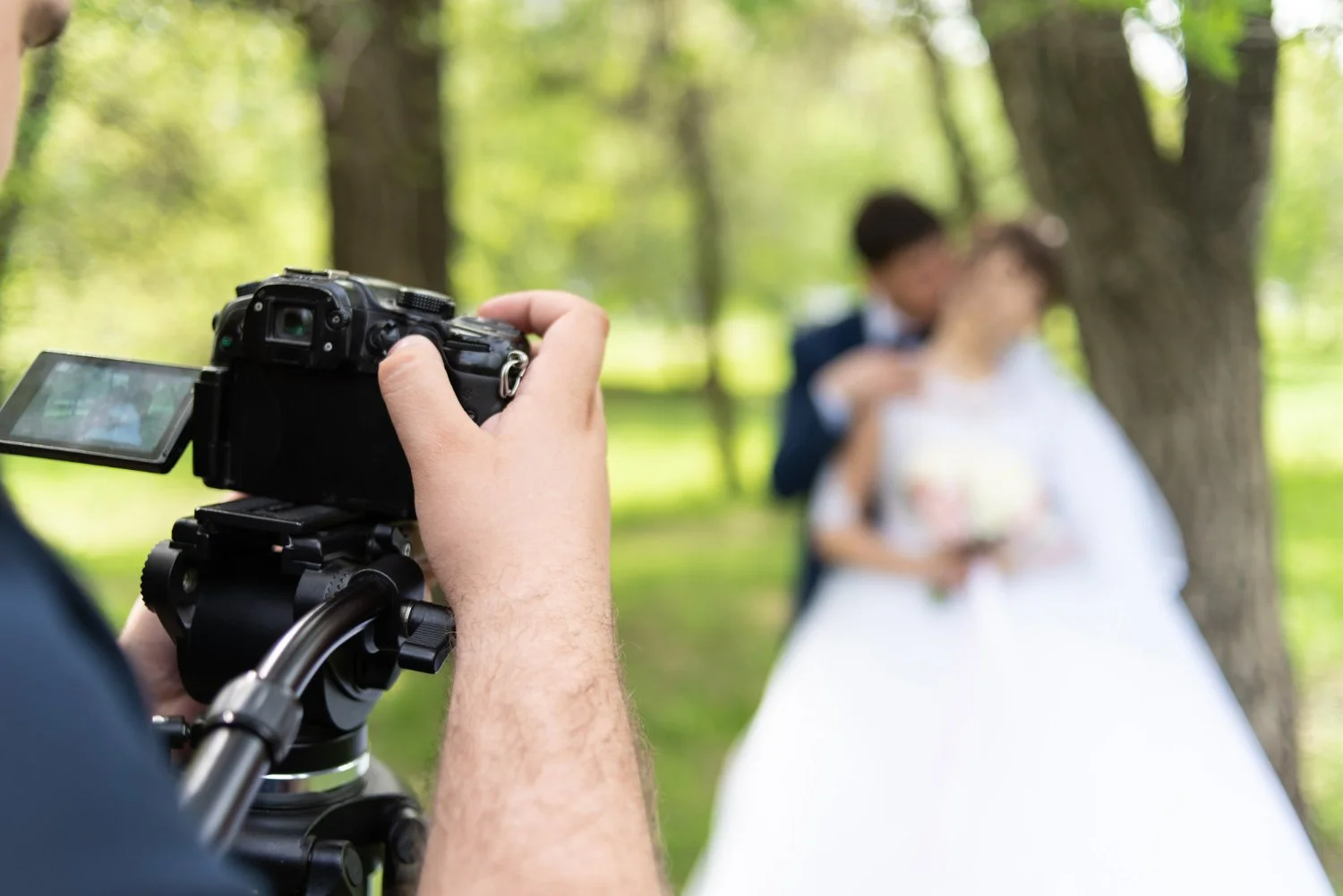
Inside Documentary Style Videography for Mountain Weddings
Explore how documentary-style videography captures candid moments and stunning mountain scenery, creating cinematic wedding films for adventurous couples.
Step Into Your Day Like a Movie, Not a Photoshoot
A mountain wedding already feels cinematic. The air is thinner, the sky feels closer, and every view looks like it belongs on a big screen. Documentary-style videography is about letting all of that unfold naturally, while we quietly turn it into a film that feels like your life, not a long photoshoot.
Instead of endless posing, we focus on real moments, real sounds, and real reactions. That might be your laugh echoing off a ridgeline, the rustle of your dress on a dirt path, or the way your families hug at the trailhead. We follow the day as it happens, then shape it into a refined, emotional story.
Mountain weddings are full of surprises. Summer wildflowers, alpenglow sunsets, shifting clouds, sudden gusts of wind, even a passing rain shower, all become part of your story. A documentary approach thrives in this kind of energy, because it does not depend on strict control; it works with whatever the mountains give us.
At Apres Events, we are a boutique wedding film house built around this style. We create cinematic, emotionally driven wedding films for couples who feel most at home in the mountains or at destination locations. Here, we will share how documentary-style videography works, why it is perfect for mountain weddings, what you can expect from the process, and how to choose the right filmmaker to tell your story.
What Documentary-Style Videography Really Means
Traditional wedding videography often leans heavily on staging. It might look pretty, but it can feel stiff or disconnected from what the day was actually like. Documentary-style videography is more observational and story-first.
At its heart, this style means:
Following the natural rhythm of your day
Letting candid emotion lead, instead of constant posing
Using real audio, like vows, toasts, and laughter, as the backbone of the film
Watching for honest interactions between you, your families, and your guests
We do not wait for you to perform for the camera. We watch for the quiet squeeze of a hand before walking down the aisle, the quick glance you share when thunder rumbles in the distance, or the way your friends react when the clouds part right before the ceremony.
Documentary does not mean shaky, random, or messy. At Apres Events, we pair this natural approach with cinematic framing, careful composition, and thoughtful editing. The film looks refined and artistic, but it still feels like you.
Because we are not interrupting every few minutes, you get to be present. You can soak in the scenery, enjoy your people, feel the ground under your feet, and let the day wash over you. We shape the story around your real experience instead of asking your experience to fit our shot list.
Why Mountain Weddings Shine on Film
Mountain weddings are full of visual and emotional power. The views are wide, the weather is dramatic, and even the road to the venue can feel like part of the adventure. The camera loves that.
Some of the things that make mountain weddings so strong on film include:
Sweeping vistas and ridgelines in every direction
Shifting light, from soft morning haze to long golden evenings
Afternoon storms that can pass as quickly as they arrive
A sense of excitement as guests arrive at altitude
Documentary-style videography is built to roll with all of this. If the wind catches your veil, we keep filming. If a small group decides to walk a little way down the trail for portraits, we are right there, moving with you. If a summer shower nudges your ceremony to a covered deck, we treat that change as part of the story, not a problem to hide.
The mountains also give us rich environmental sound. Rushing rivers, wind through pines, distant thunder, the crunch of gravel under hiking boots, these are details that place your love story in a real, specific world. When we layer these sounds under your vows or toasts, the film feels like you are back there.
Many destination and mountain weddings stretch over several days. Welcome gatherings, trail walks, gondola rides, lakeside brunches, and late-night campfires all add chapters to your story. A documentary filmmaker can weave these pieces into a film that feels full and honest, not just a quick recap of the ceremony.
For mid-summer mountain weddings, longer golden hours, blooming wildflowers, and later sunsets shape how we plan coverage. We pay attention to when the light will wrap around a peak, when the valley will fall into shadow, and when the sky is most likely to glow. Those seasonal details become characters in your film.
How We Quietly Capture Your Wildest Moments
When we film a mountain wedding, our goal is to be present but never in the way. We usually arrive early to scout light, paths, and vantage points. We talk with your planner and photographer so everyone understands the terrain, the schedule, and any last-minute shifts.
To keep the day feeling natural, we focus on:
A small gear footprint, so the space still feels like your wedding, not a film set
Long lenses that let us stay back and give you breathing room
Gentle direction only when truly needed, like for audio clarity or safety on a rocky trail
We mix different techniques to keep your film both cinematic and real. Handheld movement can mirror the energy of a lively dance floor or a windy overlook. Stabilizers help us create smooth, sweeping shots of the landscape or your ceremony site. We favor natural light, adjusting quickly as clouds move in or the sun drops behind a ridge.
The documentary mindset continues in the editing room. We choose moments that are true to you instead of only the ones that look perfectly posed. A small stumble followed by a laugh, a tear quickly wiped away, guests wrapped in blankets when the air gets cool, these are the things that will mean the most later.
Mountain and destination weddings also call for extra planning behind the scenes. We think through weather backup plans, gear protection, altitude shifts, and travel timing so we do not miss key parts of your weekend. You should not have to worry about any of that while you are taking it all in.
Questions to Ask When Choosing Your Filmmaker
Not every videographer works in a true documentary style, so it helps to ask clear questions. A few helpful ones are:
How much do you pose or direct during the day?
How do you handle unpredictable weather or shifting timelines?
Can we see full films from past mountain or destination weddings?
How do you record vows, toasts, and ambient sound, and how do you use that audio in the final film?
How do you work alongside photographers and planners during busy or tight moments?
Full films matter, because they show how a filmmaker handles real light, real schedules, and real emotion from start to finish. Highlight reels are beautiful, but they do not always reveal how the story actually feels.
For mountain weddings, it is also smart to ask about coverage length and structure. Many couples want parts of welcome parties, adventure sessions, or sunrise or sunset time on a ridge. Ask how a team plans for those pieces and keeps the story connected across days.
At Apres Events, we focus on refined but unobtrusive coverage for adventurous couples who love mountain and destination settings. We care about honest emotion, polished visuals, and films that feel deeply personal, from the first frame to the last.
Turn Your Mountain Wedding Into a Living Heirloom
Choosing documentary-style videography for a mountain wedding means you are asking for more than pretty pictures. You are choosing a way to remember how the day sounded and felt, from laughter echoing off the cliffs to the low rush of a nearby river. Your film becomes a living heirloom that holds not only the views, but the heartbeat of the day.
Years from now, you will be able to hear your own voice saying your vows, see loved ones as they were, and feel that warm mid-summer air and bright high-altitude light all over again. With the right documentary-style filmmaking team moving quietly through your weekend, your mountain story will keep unfolding every time you press play.
Get Started With Your Project Today
If you are ready for a wedding film that feels honest, immersive, and true to you, we would love to talk about your day. Explore how our approach to documentary-style videography keeps the focus on real moments instead of staged shots. Then reach out to contact us so we can start planning a film that reflects your story with the care and intention that define Après Events.
Creating Boutique Wedding Films for Multi-Day Jackson Hole Celebrations
Plan unforgettable Jackson Hole celebrations with boutique wedding films and photography that capture emotion, adventure, and every multi day moment.
Turn Your Jackson Hole Wedding Into a Cinematic Story
A multi-day wedding in Jackson Hole is already more than a single event. It is welcome drinks under pink alpenglow, vows above the valley, and a quiet farewell breakfast by the river. When you spread your celebration across several days, you are not just planning a wedding day, you are building a full story.
Boutique wedding films and photography can turn that story into something that feels like a feature film, not just “coverage.” With the right planning, each part of your celebration becomes a chapter, from the first hugs in town to the last stack of plates at brunch. In this guide, we will share how to design a multi-day experience and capture it with intention, especially for sunny summer weddings in Jackson Hole.
At Après Events, we are a boutique wedding film house based in this mountain town, creating refined, emotionally driven films for adventurous couples. We work with the light, the seasons, and the shifting mountain weather so that your time here feels natural on camera and your story feels honest and full.
Why Multi-Day Celebrations Deserve Boutique Storytelling
Destination weddings in Jackson Hole almost always stretch into several days. Guests fly in, unpack, and start exploring. A typical flow might look like:
Arrival afternoon in town
Welcome party or casual drinks
Adventure outing or trail walk
Rehearsal dinner
Wedding day and reception
Farewell brunch or low-key sendoff
With this extra time, boutique filmmakers can build a true narrative arc. The story starts with anticipation as people arrive, shifts into connection as families and friends mix, then grows toward the emotional peak of your ceremony and reception. The mountains are not just a backdrop, they feel like a character that is present in every scene.
Generic coverage often focuses only on “what happened.” A curated, boutique approach looks for:
Planned moments like toasts, letters, and vows
Small in-between scenes, like a nervous laugh before walking down the aisle
Quiet details, like hands holding coffee in the cool morning air
For guests who travel a long way to be here, a multi-day film becomes a time capsule of the whole experience. Jackson Hole summers give you long daylight, late sunsets, and plenty of outdoor events, which means more room to build layers of story over several days instead of rushing everything into a few hours.
Designing a Multi-Day Timeline with Film in Mind
When you think of your celebration as chapters, your timeline starts to feel more creative and less crowded. Some chapter ideas:
Arrival moments and first look at the Tetons
Welcome drinks in town under string lights
An easy trail or overlook adventure
Rehearsal dinner with toasts
Wedding day from getting ready to last dance
Relaxed brunch or river hangout
Light shapes how each chapter feels on film. A few simple timing tips help a lot:
Plan welcome parties near golden hour for warm, flattering light
Keep adventure sessions in softer morning light or near sunset
Save a little time for blue hour portraits with the mountains glowing in the background
Build in buffer time between events. Those unscheduled pockets are when sweet, natural moments happen, like a quick dance in the hallway or a quiet pep talk from a parent. We often suggest picking two or three “hero” experiences to film, such as a float trip, a horseback ride, or a mountaintop picnic, instead of trying to pack every hour with activities.
Jackson Hole has its own quirks. In summer, sunsets stretch late, but you might still run into:
Mountain traffic on narrow roads
Park entry lines
Sudden afternoon storms that clear into bright evenings
A flexible plan and a backup indoor or tented option keep the mood calm and the cameras rolling, even if the clouds roll in.
Crafting Emotionally Driven Films in the Tetons
For us, emotion is the heart of the film. The mountains are stunning, but what makes a wedding film stay with you is how it feels. We lean on:
Voiceover from vows, letters, or toasts
Natural sound, like the wind in the aspens or the river nearby
Little textures, like clinking glasses at a candlelit dinner in town
In wide-open settings, it is easy to feel a bit small or stiff. A boutique team will guide you into natural movement and interaction instead of stiff posing. We might ask you to walk, talk, and focus on each other so your connection leads, and the Tetons simply frame the moment.
Intentional audio capture during multi-day events is huge. Rehearsal dinner toasts, late-night talks by the fire, and quiet morning prep with family all add layers that we can weave into the final edit. With more than one day of filming, we also see slower emotional threads grow:
Relationships between parents and couples
Longtime friend groups reuniting
Cultural or family traditions that show up across several events
Sudden storms rolling in over the peaks, fast-moving clouds, and shifting light all add mood and depth, making your story feel grounded in this specific place.
Blending Boutique Wedding Films and Photography Seamlessly
Across several days, your film and photos work best when they feel like part of one creative vision. Treating boutique wedding films and photography as a team effort keeps things calm, smooth, and focused on you.
Aligned teams will:
Plan together around one shared timeline
Agree on which moments matter most to you
Share ideas about locations, timing, and backup plans
This kind of teamwork creates a consistent look and feel from the welcome party to the adventure session to the dance floor. You get a film and a gallery that match in tone, color, and mood. When you talk with potential vendors, it can help to ask:
How do you work with other creatives on a wedding day?
How do you handle tight spaces, low light, or quick candid moments?
How do you stay present but not intrusive during emotional events?
A boutique approach focuses on quality, not constant cameras. The goal is for you to feel relaxed and present while we quietly gather what we need in the background.
Making the Most of Jackson Hole’s Summer Magic
Summer in Jackson Hole brings long days, mild nights, wildflowers, and busy trails. It is a beautiful season for film and photo, especially if you plan early for vendors, lodging, and any needed permits for national park locations.
Some seasonal moments that translate beautifully on camera include:
Sunrise or sunset at mountain overlooks
Wildflower walks on gentle trails
Riverside picnics with bare feet in the grass
Evenings in downtown Jackson with neon and string lights
For guests, comfort makes everything smoother. Altitude, sun, and quick temperature swings are part of life here. It helps to:
Share tips about drinking water and taking it easy on the first day
Suggest layers for cool mornings and nights
Plan shaded or tented areas for mid-day events
Summer soundscapes, like crickets, rushing water, or distant thunder, can be recorded and folded into your film to make it feel immersive. When the weather shifts, lean into it. A gust of wind, a passing storm, or dramatic clouds can turn simple scenes into something striking, both in motion and in stills.
Start Shaping Your Jackson Hole Wedding Legacy
A multi-day Jackson Hole celebration has the power to become more than a memory that slowly fades. With boutique wedding films and photography, it can turn into a lasting legacy, something that still feels true and full decades from now.
At Après Events, we work closely with planners, photographers, and venues to build a multi-day vision that fits your story, your people, and these mountains. When you shape your celebration with storytelling in mind from the start, your Jackson Hole wedding becomes a crafted, living memory, rich with feeling, that you can come back to again and again.
Preserve Your Wedding Story With Cinematic Detail
Your day deserves to be remembered with care, intention, and a creative eye that feels uniquely yours, and that is exactly how we approach every celebration at Après Events. Explore our boutique wedding films and photography to see how we capture the energy, emotion, and little in-between moments that matter most. When you are ready to talk about your date, style, and priorities, contact us so we can begin crafting a visual experience tailored to you.
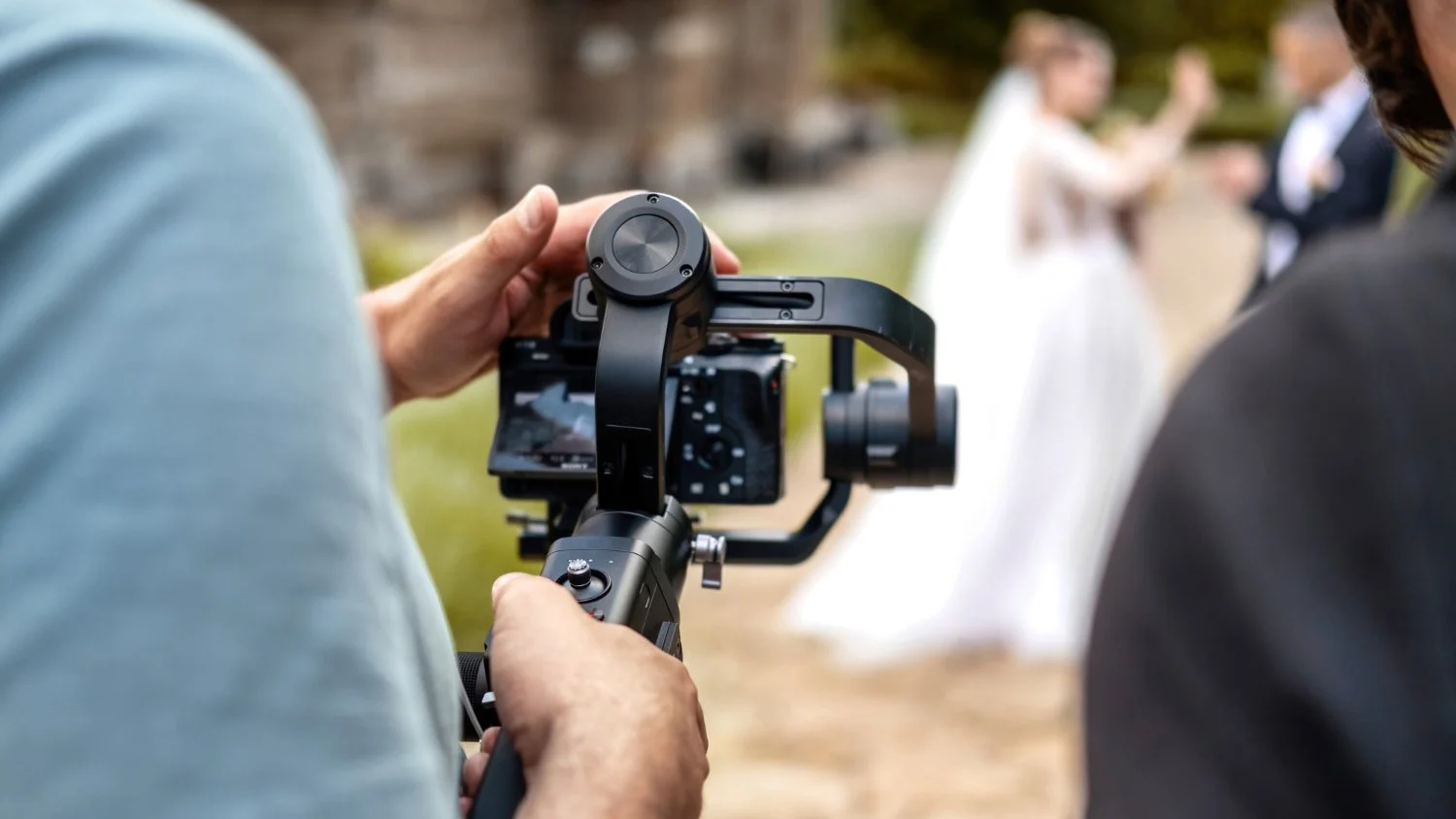
Mistakes Couples Make When Skipping a Wedding Videographer
Your wedding day goes by fast. Even when you plan every detail and try to soak it all in, the actual day feels like a blur.
The Wedding Day Regret No One Warns You About
Your wedding day goes by fast. Even when you plan every detail and try to soak it all in, the actual day feels like a blur. The nerves, the adrenaline, the tight timeline, the hugs from everyone you love, it all stacks up until moments start to run together.
You will remember how it felt, but the tiny things start to fade. The sound of your partner saying your name in their vows. The way the music shifted when the dance floor finally exploded. The little joke your officiant made that had everyone laughing. Photos are beautiful, but they cannot hold sound or motion or the way people move when they are fully themselves.
That is where a wedding film comes in. Skipping a wedding videographer often is not a thoughtful no. It is a rushed budget cut, something that feels safe to drop because photos are already booked. For couples getting married in a place as cinematic as Jackson Hole and the Wyoming mountains, that decision can turn into the regret no one warned you about.
Why Photos Alone Cannot Tell Your Full Love Story
We love photography. We work alongside photographers all the time, and your wedding album will be something you treasure. But photos and film do different things.
Still images freeze a moment. Wedding video lets that moment breathe. It brings back not only what you saw, but what you heard and felt. Photos cannot capture:
The way your dad’s voice shakes during his toast
Your partner’s laugh when they see you during your first look
The wind moving through the pines during your ceremony
The crack in your own voice when you say “I do”
Wedding videography in Jackson Hole adds an extra layer, because the place itself has so much movement. The Tetons glowing as the sun drops behind them. Your dress moving in the alpine breeze. The reflection of the mountains in a lake that ripples as a canoe glides by. Storm clouds rolling across the sky just as you share your first kiss.
Think about specific parts of your day:
Vows, where every pause and breath matters
Your first dance, where the song choice says so much about your story
The wild, joyful chaos of the dance floor at the end of the night
The sound of your guests cheering as you walk back down the aisle
On film, these are not just pretty scenes. They are living memories that pull you right back into the moment.
The Hidden Costs of Saying “We Do Not Need Video”
When couples skip video, they usually think about saving money. What they are not thinking about is what it may cost them later.
There are emotional costs, like wishing you could hear the voice of a grandparent who is no longer here. Or wanting to rewatch your vows together during a hard season in your marriage and realizing you only have still images. Those are heavy realizations to have after the day is over.
There are also relational costs. For many Jackson Hole weddings, guests are traveling long distances, and some people cannot make that trip at all. A thoughtfully crafted film lets them really feel like they were there. They can see you walk across a meadow, hear the laughter during cocktail hour, and feel the energy as the mountains fade into the night sky.
Over time, the things that feel big right now, like chair styles, color palettes, and seating charts, will matter less. What grows in value are:
The way people moved and interacted
The sound of voices that once filled a room
The tiny, unplanned reactions, smiles, and tears
The story of your day told with real emotion
Those are the pieces that cannot be recreated once the day is gone.
Common Myths About Skipping a Videographer
Myth 1: “Our friend can just film it”
A friend with a new camera or a nice phone is thoughtful, but it is not the same as a professional. Wedding days in the mountains are tricky. Light changes quickly, weather is unpredictable, wind is loud, and timelines are tight. A filmmaker brings:
Professional audio gear so your vows and toasts are clear
Backup cameras and memory systems for safety
Experience with harsh sun, shade, and fast-changing conditions
A storyteller’s eye to shape the footage into a real film
Myth 2: “We will never watch it anyway”
Most couples do not sit down and binge their wedding film every week. That is not the point. The magic is in the moments when you do watch it:
On your anniversary, with a glass of wine
On a quiet winter night when you miss the mountain sunshine
With friends or family who were not able to travel
Years later, with kids who want to see what your day was like
Those viewings are rare but powerful. They hit deeper every year that passes.
Myth 3: “It is not in the budget”
Money is real, and weddings add up. But many couples pour funds into things guests barely remember. It often helps to ask: which parts of our wedding will we actually revisit later? Décor is packed away. Favors are lost or eaten. A film is one of the few pieces that grows in meaning as your story continues.
How Mountain Weddings Make Video Even More Important
Jackson Hole weddings are not ordinary ballroom events. The Tetons rise straight up from the valley floor. The sky feels huge. Wildlife may wander by in the distance. The weather can shift from bright sun to moody clouds in a single afternoon. It feels like a movie set.
Wedding videography in Jackson Hole is shaped for that kind of setting. A good filmmaker knows how to:
Frame the mountains without losing the emotion on your faces
Work with chairlifts, boats, horses, or hikes into your portraits
Catch the shifting summer light that changes by the minute
Record your ceremony sound clearly in open-air spaces
There are also practical factors. Destination guests might have long travel days and limited time. Some loved ones cannot handle the altitude or the trip at all. Outdoor ceremonies are beautiful, but wind and distance can make it hard for everyone to hear your vows clearly in the moment.
Video gives you a clean, lasting record of:
Your full ceremony audio
The feel of your outdoor venue
The reactions of friends and family as they watch you
It keeps the mountain magic from slipping away.
Smart Ways to Prioritize Video Without Blowing Your Budget
You do not have to cancel half your plans to make room for a film. It just takes intention.
First, look at the parts of your budget that have the least long-term impact. Couples often find room when they:
Scale back on favors or small extras
Simplify printed items like programs or menus
Choose fewer, more meaningful décor pieces
Cut back on upgrades that guests will not notice
Next, know that video does not have to mean every second of the day on camera. Many filmmakers offer:
Shorter coverage windows that focus on the most meaningful parts
Highlight films instead of long documentary edits
Add-ons you can choose later, like full speeches
Planning early helps too. Booking wedding videography in Jackson Hole well ahead of peak summer dates gives you more options and time to shape coverage around what matters most to you.
Most of all, talk together about your non-negotiables. Ask yourselves:
What do we want to feel when we look back in ten years?
Which moments do we want to hear, not just see?
How do we want to share this day with people who could not come?
When you answer those questions, it gets much easier to see where video fits into the bigger picture of your wedding and your marriage.
Capture the Mountain Magic Before It Disappears
Your Jackson Hole wedding will be one of the brightest, quickest days of your life. You only get one chance to choose how fully it will be remembered. After the last song and the final hug, what remains are your memories and what you chose to record.
At Après Events, we create refined, artistic wedding films for couples who love the Wyoming mountains and want their story told with care. We are based here, and we know the light, the trails, the weather, and the feeling of saying your vows with the Tetons behind you. A wedding film is more than a line item in a budget. It is an heirloom you build now for your future selves, for your families, and for the people you have not met yet who will one day want to see where it all began.
Preserve Your Jackson Hole Wedding Story Beautifully
Your wedding day will go by in a blur, and our team at Après Events is here to make sure you can relive every moment with intention and clarity. Explore our wedding videography in Jackson Hole to see how we thoughtfully capture real emotions, breathtaking landscapes, and the details you worked so hard to plan. When you are ready to talk about your date, vision, and priorities, simply contact us and we will guide you through the next steps.
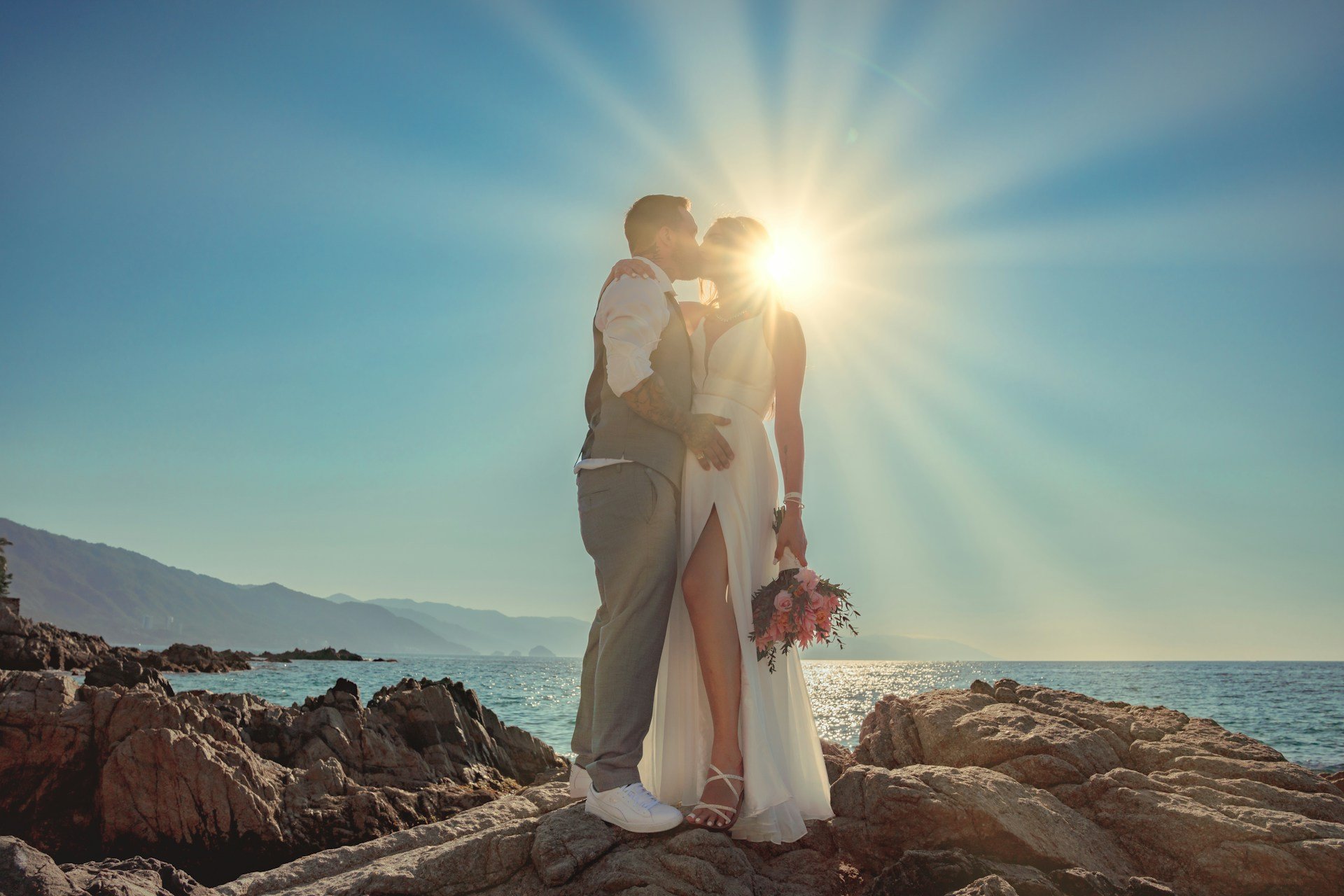
Tips for Shooting Cinematic Wedding Films on Bright Sunny Days
Shooting wedding films in full sun during the summer has its own set of challenges, especially in a place like Jackson Hole, Wyoming.
Shooting wedding films in full sun during the summer has its own set of challenges, especially in a place like Jackson Hole, Wyoming. The timing is perfect, skies are open, and the light is strong. But with that comes shadows, harsh contrast, and a risk of overexposing priceless moments.
As a Jackson Hole-based studio, Après Events creates cinematic, story-driven wedding films for adventurous couples in mountain and outdoor settings, so working with strong, natural light is a familiar part of how we film.
Working under these conditions means we have to get creative. Wedding filming services aren’t just about showing up with a camera. They’re about knowing how to handle real-life lighting without losing the feeling or beauty of the moment. Bright, sunny days can still lead to emotional, cinematic footage when we slow down, plan smartly, and work with the light instead of against it.
Playing with contrast, reading movement, and focusing on subtle story beats helps us turn harsh lighting into something intentional. It may take a little more care, but that extra effort often brings out the richest, most honest footage.
Timing Matters More Than You Think
Bright sun affects everything: the angle of the light, the way skin tones appear on camera, and how much control we actually have over the scene in front of us. Wedding ceremonies set midday in exposed areas are common in Jackson Hole, thanks to mountain views and open fields. But that beauty comes with strong shadows and flat highlights, unless we plan around it.
To work around direct sunlight, we focus on shooting during the early morning or toward the golden evening hours. These times give us a softer, warmer spread of light that doesn’t blow out skin or backgrounds. They’re much more forgiving than high noon.
We also scout out the sun angle ahead of time:
If we know where the sun is going to be at the actual ceremony time, we can predict where harsh shadows will land
Locations with tree cover or architectural shade allow us to get better skin tones without lens haze
Watching for brief cloud cover or having simple filtration tools on hand lets us knock down brightness when there’s no shade at all
Small shifts in timing or setting can be enough to completely change the tone of a clip without throwing off the couple’s schedule.
Using Shadows to Add Depth
A sunny wedding doesn’t mean everything should be lit up as bright as possible. Using shadows wisely can bring emotion and mood into a shot in a way flat light just can’t.
Instead of avoiding darker areas, we often look for opportunities to use them. When subjects stand near, but not fully inside, softer shadows, we get a more cinematic look with a natural sense of depth. The background falls away a bit. The faces still hold their detail. And the transition from light to dark becomes a feature, not a flaw.
In a place like Jackson Hole, we’re surrounded by natural elements that help with this:
Tree lines near ceremony spaces that break up the sun evenly
Light bouncing off mountain ridges in the distance helps lift shadowed areas
Textured backdrops like sagebrush, lodgepoles, or rock faces soak up highlights and keep everything balanced
We try not to bake highlights too hard. Slight overexposure can sometimes be fixed, but blown-out skies or reflective clothing can lose detail fast and are tougher to recover in post.
Guiding Natural Movements for Better Film Clips
One of the most common problems during mid-summer filming is stiff, posed moments under bright sun. Couples tend to squint, sweat, or rush through things when the sun is strong and direct. Posing things too carefully in that setting can make everything feel forced.
We try to guide couples into movement instead. Natural expression shines when people forget they’re in front of a camera. That’s when the story builds.
Simple walk-and-talk setups work well here. A couple walking slowly near a tree line, with the mountains behind them, gives us framing, movement, and changing light. They can laugh, turn toward each other, talk quietly, or just breathe. It’s a low-pressure moment with a high return.
Other ways we guide movement include:
Letting couples step from sun into shade while holding each other or turning back to look behind
Having them stop in the middle of an open space to smile or share something without direct prompts
Keeping things slow and spaced out so wind, dress movement, and smiles feel real instead of rushed
We want the light to support their energy, not work against it.
Choosing the Right Tools Without Overcomplicating
We don’t need every piece of gear on the market to solve bright sun problems. What we want is control without overcomplicating the moment.
Neutral density (ND) filters are a solid place to start. They reduce how much light makes it into the lens, which lets us shoot wide open without overexposing. This keeps that soft, blurry background look people love, even in mid-day light.
Mobility matters too. If we’re stuck with a bulky setup, we can’t respond quickly to shifting sun or cloud breaks. A handheld camera or lightweight monopod means we’re more flexible as the light changes across different parts of the venue.
At Après Events, our team uses a range of wide-angle and telephoto lenses along with professional audio tools so that shifting light and open-air conditions still translate to clear, balanced footage and sound.
We avoid leaning too hard on fixing exposure in editing. If we shoot clean from the start, colors stay accurate, skin tones hold their shape, and the feel of the day stays intact.
Making Light Work for You
Shooting in the sun asks for a different way of thinking. We don’t run from the light, we read it, shift with it, and allow it to guide what we capture. It might limit some options, but it opens others.
When wedding filming services understand how to shape light instead of fight it, the footage becomes something deeper. There’s truth in hard shadows, beauty in movement through open fields, and heart in how a couple leans into the brightness together.
We take our time. We watch for the small shifts that change a frame: a breeze, a head turn, a layer of clouds floating over for just 30 seconds. That awareness gives us the space to turn something ordinary into something lasting.
At Après Events, we’ve filmed in every kind of light that summer in Jackson Hole brings and know how to make the most of those bright open skies. Capturing movement, emotion, and subtle storytelling under direct sun takes more than gear, it takes timing, awareness, and care. If you’re planning a mountain wedding and want thoughtful coverage that reads beautifully on film, we’d love to show how we work with natural conditions to suit your style. Take a look at some of our past work to see how we approach bright-light conditions in our wedding filming services and then connect with us to talk through what you’re planning.
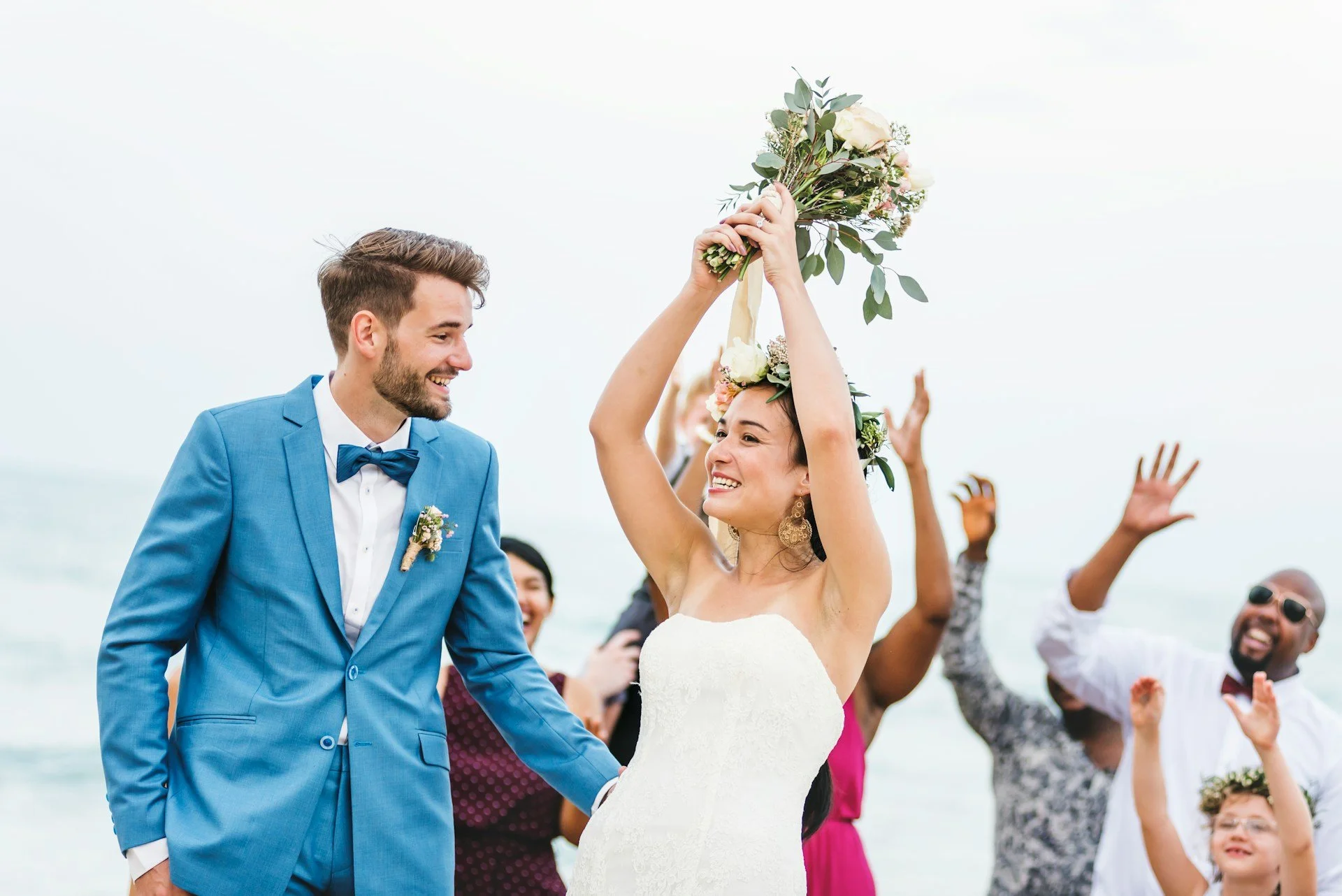
Guide to Capturing Large Gatherings Without Losing Intimacy
Summer weddings in Jackson Hole are often set against open skies and mountain views, with dozens or even hundreds of guests joining the celebration.
Summer weddings in Jackson Hole are often set against open skies and mountain views, with dozens or even hundreds of guests joining the celebration. The setting is unforgettable, but the moments worth saving often feel quiet and personal. Amid the size and joy of a big event, couples want more than wide shots and group cheers. They want to relive the tear in a parent's eye, the small laugh before the ceremony, the squeeze of a hand that steadied their nerves.
This is where events videography can make an impact. It helps keep those personal memories from being lost in the crowd. The challenge is capturing true emotion without losing that personal feel. There are ways to keep things grounded and honest, even when the celebration is big.
Finding the Quiet in a Crowd
Large weddings can feel like a wave of movement and sound, but the most moving moments often happen in the small corners. Looking for real emotion in those pockets can make the final film feel much more personal.
Here are a few ways to spot and frame intimacy within the noise:
Focus on subgroups instead of the whole. A cousin fixing the ring bearer's bow tie or grandparents sharing a quiet moment at the reception can tell a deeper story than an overhead shot of 200 people.
Use camera distance and lens choice to single out individual moments. Even if the scene is busy behind them, you can lock onto one expression and frame it cleanly.
Build in time for short pauses during the day where the couple can step away. A quick walk or a few seated minutes before dinner is served can be just what is needed to capture their real connection.
Capturing the small feeds the tone of the whole film. It gives the couple something personal to look back on later, something that feels like their experience, not just the event.
Planning Ahead for Natural Pacing
A long guest list means lots of movement on the day. Speeches, ceremony start times, meal service, transport between locations, all of it adds up. But planned breathers give us space to film moments that feel slower and more candid.
We like to work with the planner or couple beforehand to build soft spots into the timeline. Not gaps, just room.
A five-minute pause between the ceremony and portraits can let the couple reconnect.
Extra time between dinner and toasts leaves room for spontaneous hugs or quiet glances.
Scouting the venue helps too. If a trail behind the tent leads to a little tucked-away view, we might suggest a quick walk to film in a quieter space before guests follow.
By setting that rhythm early, the final film has time to settle and shift gears. It matches the day as it was felt. Letting the couple breathe gives the viewer room to feel, too.
Using Light and Sound to Highlight Emotion
A sunset over the Tetons or soft shadows under a tree can do a lot to shape the tone of a moment. Using the light that is already there, we can lift a quiet moment into something more moving. Harsh sun or dim reception lights can speak to energy or mood, but it is the natural, softer light that helps intimacy land.
When it comes to sound, we listen closely. The right clip says more than any staged voiceover:
A voice cracking during a quiet thank-you
That second of silence after vows
Natural sounds like wind moving through aspens or boots crunching dirt as the couple walks away
These simple choices feel honest and grounded. Technology makes it possible to clean up or boost anything, but we use that to support the natural sound rather than smooth it too much. Texture helps hold memory in place.
Editing a Story That Stays Personal
After the celebration is over, we are left with hours of footage, group entries, table laughs, first dances, toasts, cake, fireworks. But stringing it together just by sequence misses the heart of the story. Editing gives us a second chance to keep things close and emotional, even in big weddings.
We sift through what we have, looking for connection.
We start with details that show relationship over activity
We mix wide crowd shots with the warmth of close reactions
We choose music that brings forward emotion, not just movement
Pieces are shaped not just by what happened, but by how it happened. The pace slows where we want people to feel things, then lifts again when the party needs to rise. The goal is never to impress, only to remember.
Capturing Emotion That Lasts
Large weddings do not always feel personal, but they absolutely can. It just takes an eye for what matters and a little space to let those true moments appear on their own.
When the day is over and people go home, it is the feeling that stays. The quiet look before the vows, a slow hug, laughter drifting into the mountains, that is what couples hold close. A big event can absolutely feel intimate, as long as we make the space for it to happen and pay attention when it does.
At Après Events, we believe real connection should never be lost in the midst of a celebration. From the golden light over Jackson Hole, Wyoming, to the quiet moments between toasts, we capture the emotions couples treasure most. Our approach to events videography offers a personal touch that embraces the broader story. Planning something special and want it captured with honesty and care? Use our contact form to start the conversation.
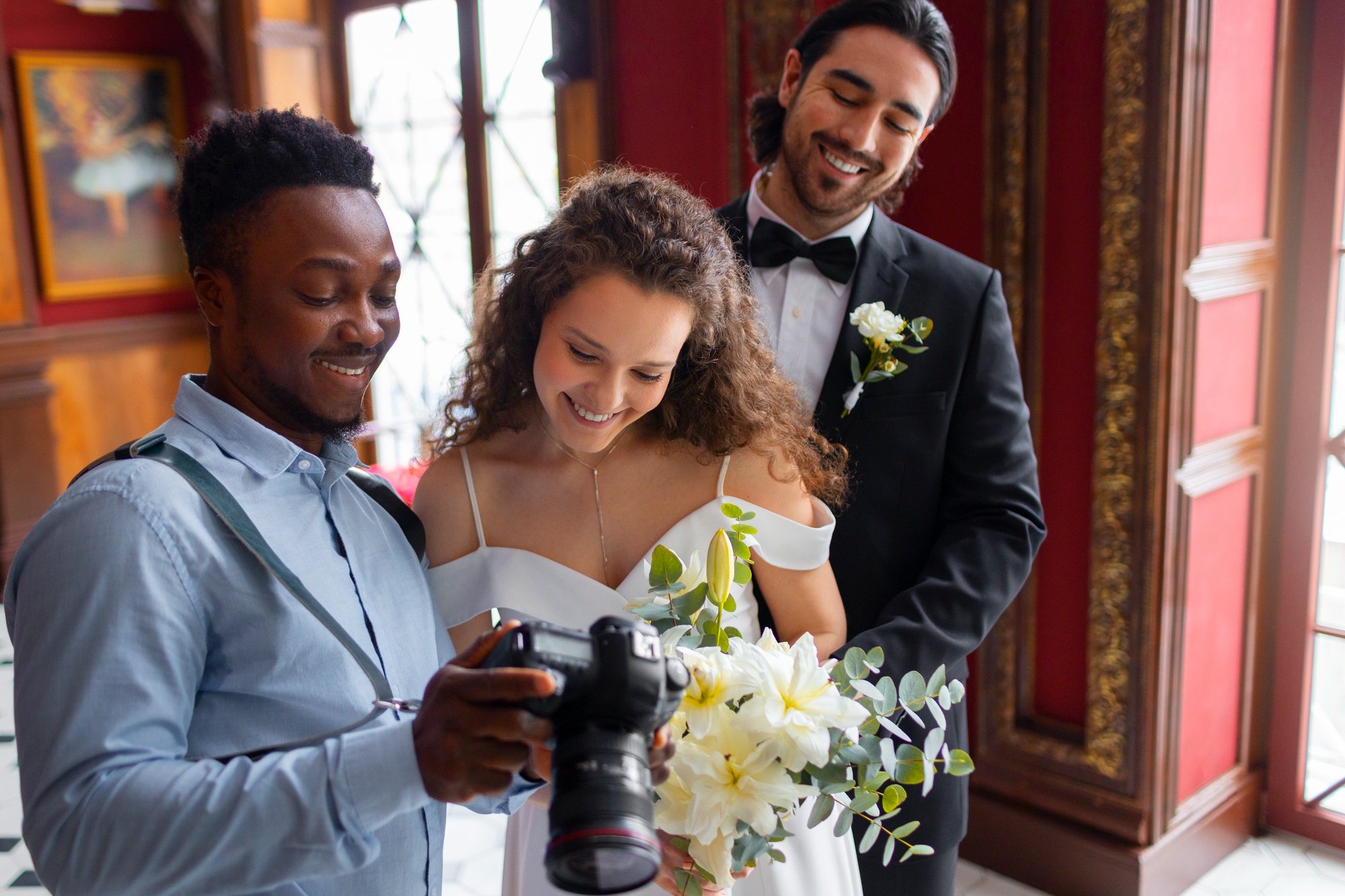
How to Coordinate Film and Photo Teams Without Conflicts
When a couple chooses a wedding videography company for their Jackson Hole, Wyoming, celebration, they usually pair it with a photography team too.
When a couple chooses a wedding videography company for their Jackson Hole, Wyoming, celebration, they usually pair it with a photography team too. Both matter, but if film and photo providers aren’t on the same page, problems can show up fast. Missed shots, repeated angles, or one camera blocking another are just a few of the things that can cause stress on the day. At Après Events, based in Jackson Hole, WY, we specialize in cinematic wedding films for adventurous couples who choose mountain and outdoor settings, so we have seen how important that collaboration can be.
Outdoor weddings in the mountains often move at a different pace. Weather shifts quickly, light moments don’t last forever, and locations can be spread out. When film and photo teams work together well, the day flows. The couple barely notices us, and the footage comes out better on both sides. Clear communication and planning are what keep teams from stepping over each other. It’s all about teamwork, not ownership.
Set Expectations Early On
The best results start with a shared understanding. Even before the day begins, it helps when both photo and film crews have similar styles and know what to expect from each other.
There are a few easy steps that set this relationship up the right way:
Choose creatives who naturally align in tone, like color preferences, motion, and mood
Build in a shared call or meeting early on, so both sides can talk through what matters to them
Make space for each team’s priorities, whether that’s movement paths during portraits or audio recording plans during vows
Film teams often move while they shoot, while photos need stillness. That can work together with the right expectations. When goals are similar and movement patterns are explained ahead of time, it’s easier to stay out of each other’s shots.
Build a Timeline That Works for Both
Great footage needs time. So does natural, well-lit photography. But how each team uses that time can be different. This matters even more during outdoor weddings, where golden hour isn’t a fixed thing.
Videographers often plan around transitions, like shadows, wind, or slow-motion panels. Photographers may be looking for symmetry, soft light, or crisp detail. Those things don’t always happen together. That’s why a shared timeline is key.
To make that work:
Break up creative portrait time so one team leads while the other captures from a distance
Add buffer time after big moments like first looks, so both teams can reset without rushing
Use natural breaks (like travel between locations or dinner setup) to get separate angles without waiting on each other
When everyone knows what’s happening in real time, there’s less chance of missed shots or elbowing for space.
Designate Roles and Zones During Key Moments
Some of the most emotional parts of the day don’t give second chances. Quiet reactions during vows, surprise entrances, or a parent seeing the bride before the ceremony are all things that happen once. That’s where clear roles matter.
We’ve found it helps to divide responsibilities clearly. Each crew should know who leads the shot, who supports, and where everyone can stand. That way, you don’t end up with one team blocking the view or a drone buzzing too low during a quiet moment.
Here’s how it plays out:
Assign physical zones during the ceremony so movement is limited but coverage is complete
Talk through who takes center audio during vows or toasts, so gear doesn’t get in the way
Use hand signals or eye contact for quick cues, reducing the need to talk mid shoot
Respect builds quickly when people stay in their zones and trust the plan.
Stay Flexible as Conditions Change
Outdoor weddings always throw their own surprises. Spring weddings in Jackson Hole often shift from chilly wind to soft sun in under an hour. Trails can look open but turn slick with snowmelt. And that golden hour portrait? Sometimes clouds move too fast.
Rigidity doesn’t leave room for magic. Instead of holding tight to every piece of a plan, we leave parts open on purpose. That lets teams trade lead roles, wait out bad light, or shift a scenic shot to a safer location.
Here’s what helps when things don't go as expected:
Decide ahead of time which shots can be moved or skipped if light fails
Share gear spaces, like shaded or dry areas for backups or recharging
Let the stronger light or backdrop decide who gets priority, instead of sticking to a list
We’ve worked on days where schedules were tossed, but the footage came out perfect because we stayed flexible and adjusted together.
A Wedding Day That Flows, Not Collides
Good coordination between a photo and film team doesn’t mean giving anything up. It just means building smart habits that allow both to work well without interference. When expectations, timeline, movement, and mindset are figured out early, everyone benefits.
We’ve seen how even the smallest adjustments make a difference. A few feet of space or ten minutes of buffer can turn a stressful overlap into a smooth creative rhythm. Couples feel the result without seeing the effort, and that’s exactly how it should work.
Planning a wedding in Jackson Hole, WY, should be a smooth experience from start to finish, and we know that coordination between teams is important for making every moment memorable. When photo and film crews trust each other, everyone can focus on capturing the right moments without getting in each other's way. At Après Events, we have worked alongside many talented creatives and experienced firsthand how collaboration brings out the best in every detail. For a trusted wedding videography company that values both clear communication and creative teamwork, get in touch with us today and let’s start planning something extraordinary together.
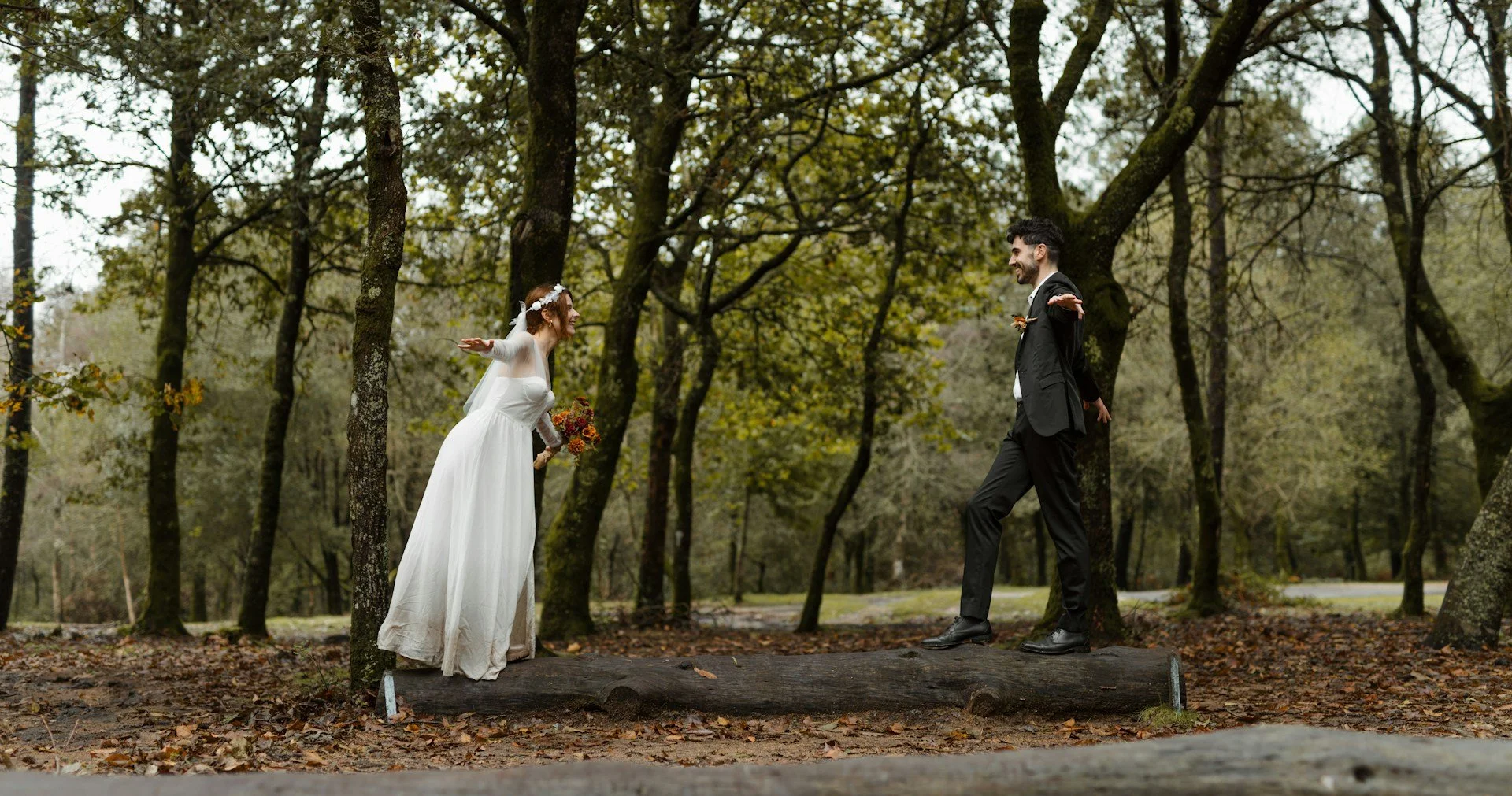
Understanding Travel Logistics for Wyoming Wedding Shoots
Learn how we plan, pack, and film wedding videography in Wyoming, including remote spots near Jackson Hole, WY, with calm, timing, and care.
When we film weddings in the mountains of Wyoming, travel becomes a big part of the process. Couples often choose remote locations that feel completely removed from the everyday. That’s part of what makes it all so special. But making it to those places with gear, people, and equipment means planning ahead. For us, wedding videography in Wyoming starts long before the camera turns on. It begins with the drive, the weather, the terrain, and even the timing of light across a mountain valley. Every wedding has a heartbeat, and our job is to find it without missing a beat ourselves. Knowing how to move through this wide state makes all the difference.
Planning Around Geography and Terrain
Wyoming isn’t a small state. Distances between towns can stretch longer than expected, and many wedding venues sit deep in canyon valleys or off winding roads with no paved access. That’s why we always look at the route long before the big day.
There’s a lot to account for, especially in early summer:
Dirt and gravel roads that shift after spring runoff
Mountain passes that can still have snow on the edges in early June
Cell service that drops when you need it the most
We never assume a GPS will carry us the whole way either. Some areas drop signal without warning, especially as you turn off main highways. That unpredictability makes buffer time important. We build in space for delays, slow vehicles ahead, or even wildlife taking their time across the road. Giving ourselves extra time to reach the location is just part of how we work in a place this big.
Timing the Trip: When to Arrive and Scout
Arriving early isn’t just about convenience, it's part of the plan. We like to get there at least a day ahead when possible. That gives us time to breathe, look around, and connect in person.
Arriving early lets us:
Get a feel for the elevation and light changes
Walk through the venue and see what the weather’s actually doing
Meet with the planner or couple before everything gets rolling
This matters most in early June, when weather isn’t totally settled. Afternoon storms come and go quickly. Some passes can still get snow, and lighting can shift in ways that make a difference between a usable shot and a missed one. Being there early lets us adjust calmly, without scrambling moments before the ceremony.
Equipment Packing for Remote Mountain Locations
Packing for a local event is one thing. But weddings in places like Jackson Hole push us to think lean and smart. Lightweight matters when hikes are involved or when we’re working from the back of a four-wheel-drive vehicle.
We always check our gear list twice. Here’s what we keep in mind:
Only pack what matters most, and make sure it’s working before we travel
Bring backups for anything we can't purchase quickly, like cables or camera batteries
Plan how we’ll power things when outlets are far away or load capacity is limited
Charging becomes a bigger question when power sources aren’t reliable. Solar setups, car inverters, and power banks help us stay fully charged without depending on where we land. We’d rather bring a bit extra weight than risk running short mid-shot.
Communicating With Couples and Other Vendors
We’ve found that smooth events tend to come from clear communication ahead of time. The earlier we connect with planners, photographers, and anyone else involved, the better we can map out what’s realistic for gear setup and movement on the day.
That coordination helps us:
Know when and where we’re allowed to drive or unload
Line up arrival windows so vendors aren’t stacking in crowded entryways
Make sure areas for drone takeoff aren't in conflict with guest paths
Smaller spaces like open clearings or rocky hillsides demand more flexibility, and knowing those details in advance helps us avoid last-minute workarounds. We always make sure we’re not surprised by a shuttle-only road or a four-hour gear haul at high elevation.
Travel-Wise Strategies for a Smooth Exit
Getting in is one part of the challenge. Getting out matters just as much. Especially with mountain weddings, we plan for a calm breakdown. That way, we’re not rushing to tear down gear while guests still linger or as light starts to drop.
Here are a few things we do to leave well:
Prep our exit plan so we can break down gear without stress
Avoid booking early flights the next morning in case weather delays the event
Weigh the drive versus fly options depending on distance from the nearest airport
Wyoming’s airports aren’t always nearby. Small, regional flights may be limited or delayed during shifts in seasonal weather. Having a slow, flexible out plan protects us from burnout and makes the travel feel part of the rhythm instead of a hard stop to a long day.
Confident Shoots Start With Smart Planning
When we take the time to plan well, we open the door to more meaningful, focused work. Travel shapes every wedding shoot here. The size of Wyoming, the weather, and the altitude aren’t roadblocks, they’re part of the experience. We’ve learned to move with them, not fight them.
By thinking ahead, staying flexible with our timing, and keeping clear talk going with others on the ground, we get to that place where things just flow. That’s when the filming feels honest. Real. When it’s no longer about logistics, and more about capturing something that stays with you.
Planning a wedding in remote locations can be full of surprises, and our experience filming in Jackson Hole, WY shows us just how magical these moments can be. We have seen couples embracing the beauty of morning fog and alpine light while exploring unpredictable roads, and you can view real examples of wedding videography in Wyoming to see how these unique settings come to life. At Après Events, we are here to help you bring your vision to life, so reach out today to discuss the details.
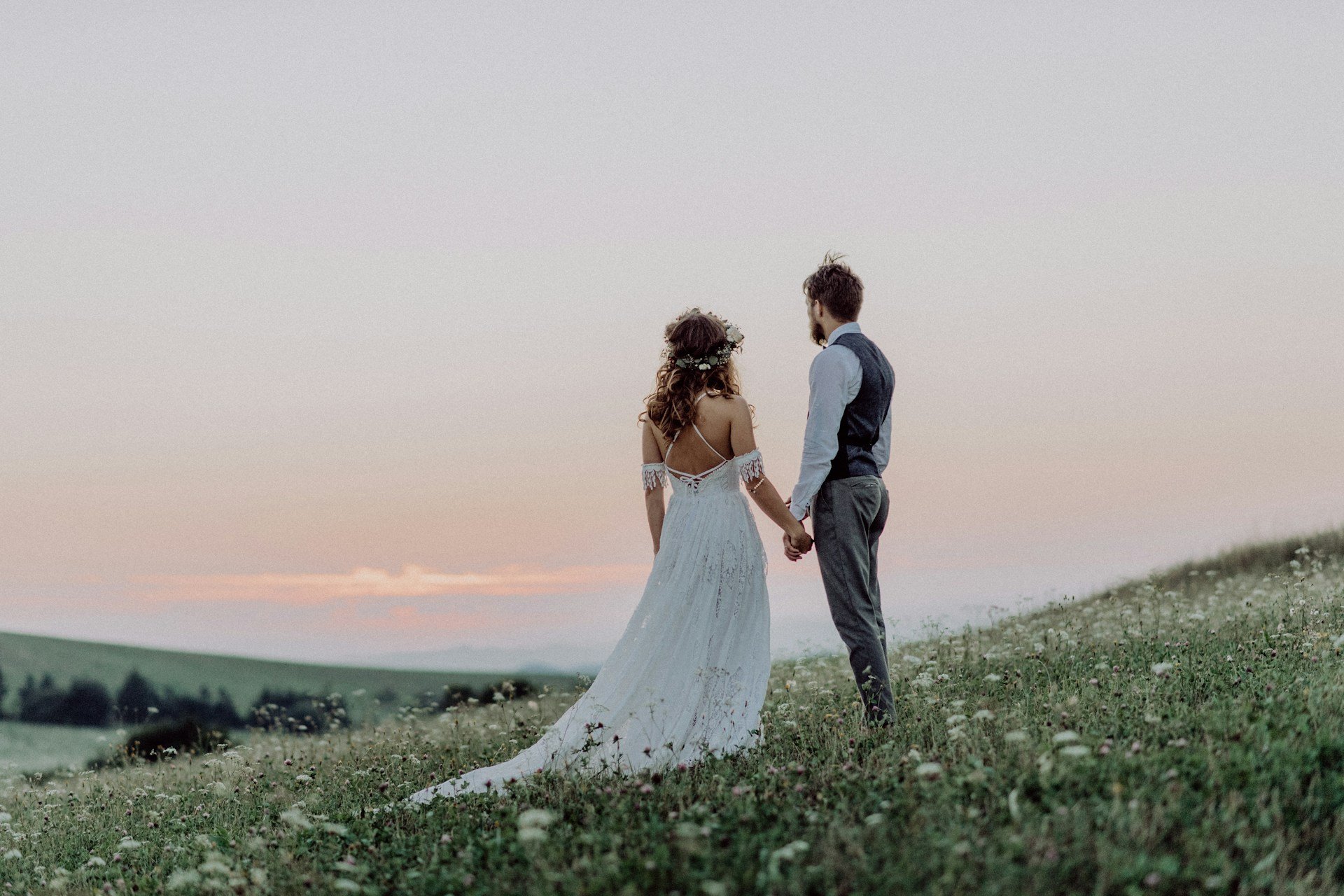
What Makes Outdoor Videography Work for Late Spring Weddings
Late spring in Jackson Hole feels like a quiet stretch between seasons. Melting snow uncovers grassy trails, the sun lingers a little longer each evening, and everything seems to slow down just enough to notice the details. That’s exactly when outdoor videography starts feeling more connected to the moment. The light changes, sounds shift, and couples seem more at ease walking through wide open spaces. There’s something honest about it.
When we film weddings during this time of year, the raw beauty of the season finds its way into every frame. No extra staging, no dramatic backdrops needed. Just real moments, guided by natural light, unbeaten paths, and the rhythm of the mountains coming to life again. Here’s what makes this time ideal for filming outside and how spring itself helps tell the story.
Timing It Right With the Natural Light
By late May, the sun over Jackson Hole behaves in a way that’s different from both winter’s sharp light and summer’s intense heat. The angle is softer, but the light lasts longer, giving us more hours to work without any rush.
Couples tend to plan ceremonies for late afternoons or early evenings, which lines up nicely with what the light wants to do. That golden stretch before the sun drops behind the Tetons is hard to recreate anywhere else. It gives a quiet glow to skin tones, softens shadows, and makes the surrounding landscape feel gentle and wide.
Still, it’s not always about a perfect sunset. We often work with:
Cloudy skies that create a natural filter
Short bursts of bright sun breaking through trees
Moments when shadows stretch across paths, meadows, or riverbanks
Those things don’t spoil outdoor videography. They shape it. Adjusting as the day shifts is part of catching the more real, unplanned moments that couples remember later.
Sound That Comes With the Season
Late spring doesn’t just look different, it sounds different. After months of quiet snow cover, the valley wakes up. The birds are back. Water starts moving again. Light wind passes through open land in a way that’s almost musical.
You can’t always control sound outdoors, which is why we don’t try to block everything. Instead, we listen. Then we decide what to leave in, what to blend with music, and when to let a quiet breeze speak for itself.
Here’s what often adds to the feel of a spring wedding on film:
Birdsong early in the morning or near tree cover
Running creeks and small rivers just beginning to swell
The low hum of people laughed-out and breathing easy on a mountaintop
Sometimes the exact words in a vow aren’t as powerful as the pause that follows them, filled only with real sounds from the place where it happened.
Outdoor Settings That Feel Personal
There’s no shortage of gorgeous views in Jackson Hole. Still, the spaces couples choose mean more than just what’s in the background.
Trails, rocky overlooks, wooded edges, or the banks of the Snake River all give space to move and breathe. These are the spots that bring out the small reactions, quiet looks, slow walks, steps taken hand in hand toward a trailhead or away from it.
Late spring gives us access back to areas that were snowed over weeks earlier. The earth is soft but ready. Trees leaf out just enough for color, but views stay open. And yes, we plan for:
Wind gusts that mess up hair (and moments that make up for it)
Bugs near the water (often solved by movement or staying upslope)
Uneven ground that forces people to walk slowly and close
None of that is a problem when the focus isn’t perfection. It’s presence. And that’s often what makes a film feel lived in, not performed.
Knowing What to Wait For
Some of the best outdoor video happens when you stop trying to control or direct everything. Spring weather doesn’t always follow the plan. That might sound frustrating, but it builds room for better timing.
We watch for the little gestures nature gives us and let them create pacing:
Wind pushing a branch into the shot just when someone turns to smile
A reflection moving across water as vows are being read
Light shifting from blue to gold during a quiet walk, and pausing to let that happen
Sometimes we hold a shot longer than planned. Sometimes we decide to switch angles and follow something that feels better than what was expected. That’s what gives the footage weight, the pauses, the drift, the wait.
How Couples Help Shape the Story
No two couples move the same way. That might sound obvious, but it’s one of the reasons filming outside matters. The space makes room for real reactions, not ones that feel directed.
When we film outdoors, we pay attention to body language more than timelines. That’s where we find the details that guide the final edit. Things like:
How far ahead one person walks during portraits
Whether a couple stops to look up at the peaks or looks only at each other
Where hands fall when there’s nothing to hold but each other
Comfort in the setting leads to more original footage. We don’t try to chase picture-perfect. We work from whatever happens naturally. And in spring, couples tend to let their guard down. They lean into the fresh air, the softness of the day, the space that lets them just be together.
Making the Atmosphere Matter
When all of these things layer together, the light, the sound, the movement, it creates a very specific feeling. Not rushed. Not overly staged. Just human and wide open.
Late spring doesn’t shout. It gives quiet, in-between moments. That shows up clearly in the final wedding film. It feels slower. The pace allows the emotions to land a little more deeply. The setting doesn’t try to compete. It backs up what’s already happening.
That’s what makes outdoor videography work best at this time of year. It fits the tone Jackson Hole offers in the last stretch of spring. A sense of place that reflects the calm before the start of summer. The details bring people back to how it felt, not just how it looked. And that’s what holds up in memory.
Experience how late spring feels when captured on film by exploring some of our past work from weddings throughout Jackson Hole. Every season has its pace, and there's a quiet honesty in this one that always shines through onscreen. You'll notice how simple movements, shifting light, and open space create a deeper story. To see how we bring that to life with thoughtful outdoor videography, reach out to Après Events.
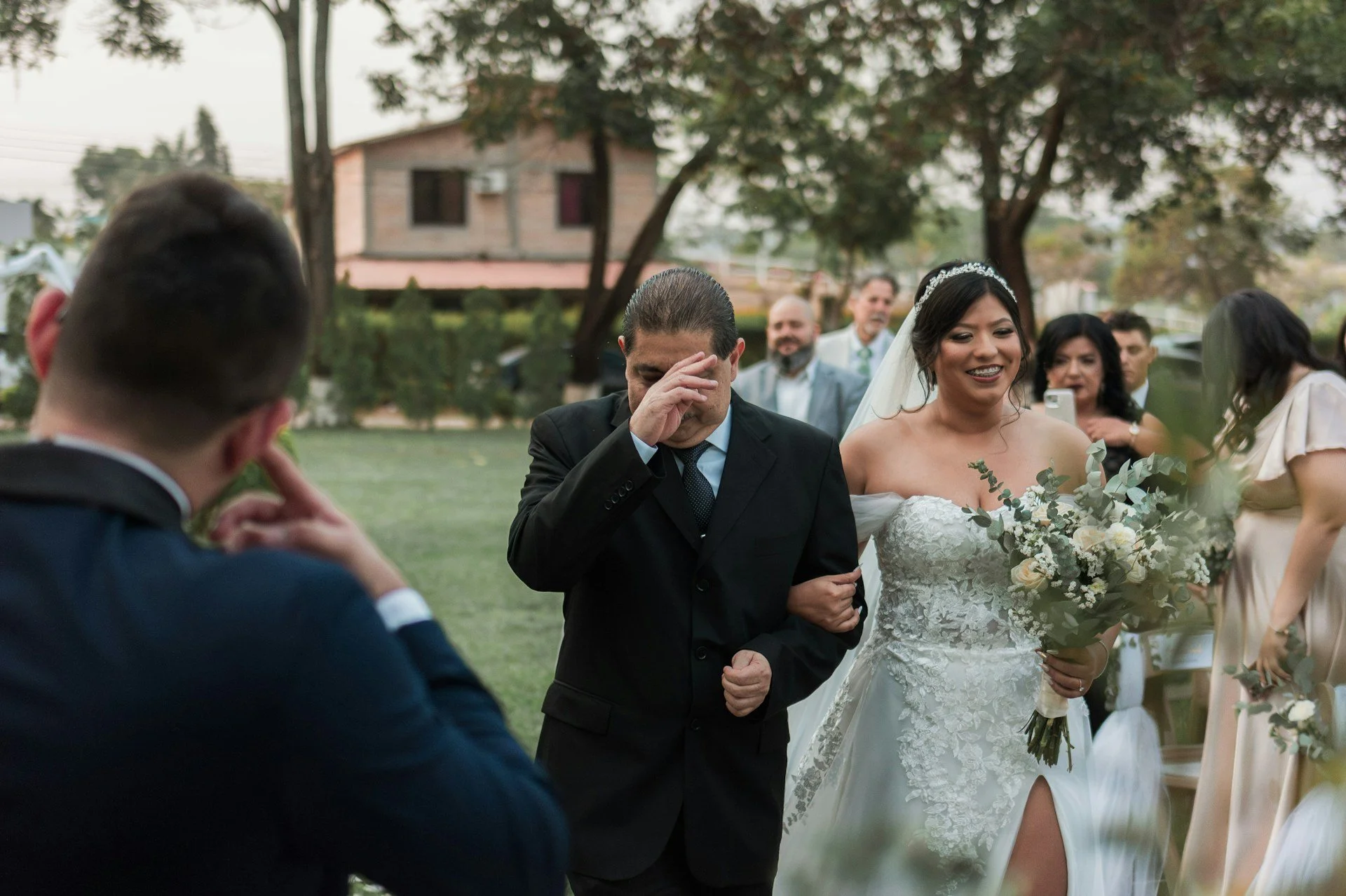
Steps to Film Emotional Reactions Without Distracting the Moment
Some of the most honest moments on a wedding day are the ones nobody sees coming. A tear that falls during vows, a smile that can't quite stay in place, or the quick breath that someone takes before walking down the aisle.
Some of the most honest moments on a wedding day are the ones nobody sees coming. A tear that falls during vows, a smile that can't quite stay in place, or the quick breath that someone takes before walking down the aisle. Emotion videography helps hold onto these quiet seconds without ruining the moment as it happens.
For spring weddings in open outdoor spaces like Jackson Hole, Wyoming, the goal isn't just to record what’s visible. It's to show what’s felt, without getting in the way. To do that right, we need to be thoughtful about how, when, and where we press record.
Staying Out of the Spotlight While Filming Subtle Moments
To capture true reactions without pulling attention from the couple or their guests, we give people space. Getting close might feel like the obvious answer when someone’s tearing up, but physical distance can actually make the moment feel more honest on camera.
Here’s how we protect emotional scenes without drawing focus:
Use longer lenses to shoot close-ups from a farther distance
Avoid stepping into someone’s eyeline, especially during high-emotion moments
Move quietly behind natural cover, like foliage, chairs, or support beams
The right angle isn’t always the one up front. Sometimes it’s off to the side, where people forget they’re being watched.
Choosing Equipment That Won’t Distract Anyone
A good emotional clip can go stale fast if it’s backed by beeping noises or clunky gear sounds. This is why gear choice and setup matter more than most couples realize. What we bring into the space, and how quietly we operate it, helps protect the experience for everyone.
Some ways we keep the presence quiet and smooth include:
Switching off any audio beeps or sounds on our cameras before filming
Wearing neutral-colored clothing to avoid disrupting guest photos or catching extra light
Using small handheld stabilizers that move with us, rather than big rigs that need setup
Wedding days are full of unexpected turns, and nothing hurts a real moment more than the wrong gear clicking on at the wrong time.
Reading the Room: When to Film and When to Pull Back
Every part of a wedding holds energy, but not all energy needs a camera aimed at it. Some of the most emotional parts of a day, like private vows, parent embraces, or tears just before the ceremony, should be approached with care. That means knowing when to film and when it’s better to hold back.
We train our awareness toward moments like these:
Watching subtle changes in body language that show people may want privacy
Listening for certain tones and pauses during conversations that hint at intensity
Coordinating with planners or support vendors to know when something quiet is coming
Letting the moment breathe sometimes means choosing not to record it. That choice, too, supports the story.
Framing Emotion Without Posing It
We don’t ask people to shriek with laughter or gaze into the sunset. That’s not how emotion works. It shows up differently in every person, and it often hides in the smallest shifts. Our job is to notice that without needing to control what’s happening.
During more emotional parts of the day, we aim to:
Look for small actions like a hand tightening its grip, a soft smile forming, or a nod that carries more weight than words
Mix wide shots that show the setting with tighter close-ups to add depth
Stay observant instead of giving any direction, even when the angle isn’t perfect
The goal is not the perfect shot. It’s the truest one.
Emotion Lasts Longer on Film When You Don’t Chase It
Spring in Jackson Hole brings a certain kind of calm energy to a wedding day. Everything is coming back to life, but not rushing. In that same way, emotional moments around a wedding can’t be forced. They come on their own time.
The more space we give them, the more likely those moments are to rise. That’s why our approach to emotion videography is steady, quiet, and flexible. We stay close enough to witness it, but never so close it changes. We prepare ahead of time so we aren’t scrambling in the middle of something real. We don’t look for tears or try to make someone feel more than they already do.
The strongest story is already in progress. We’re just finding the right way to let it show.
At Après Events, we love weddings that feel natural and real, where moments unfold without being staged. We capture quiet glances, subtle reactions, and genuine emotion to create the stories we cherish. For couples planning a spring celebration in Jackson Hole, WY, our gentle approach to emotion videography allows every detail to feel true. We stay close enough to notice the meaning without interrupting the flow. Reach out to schedule a time to talk about your day.
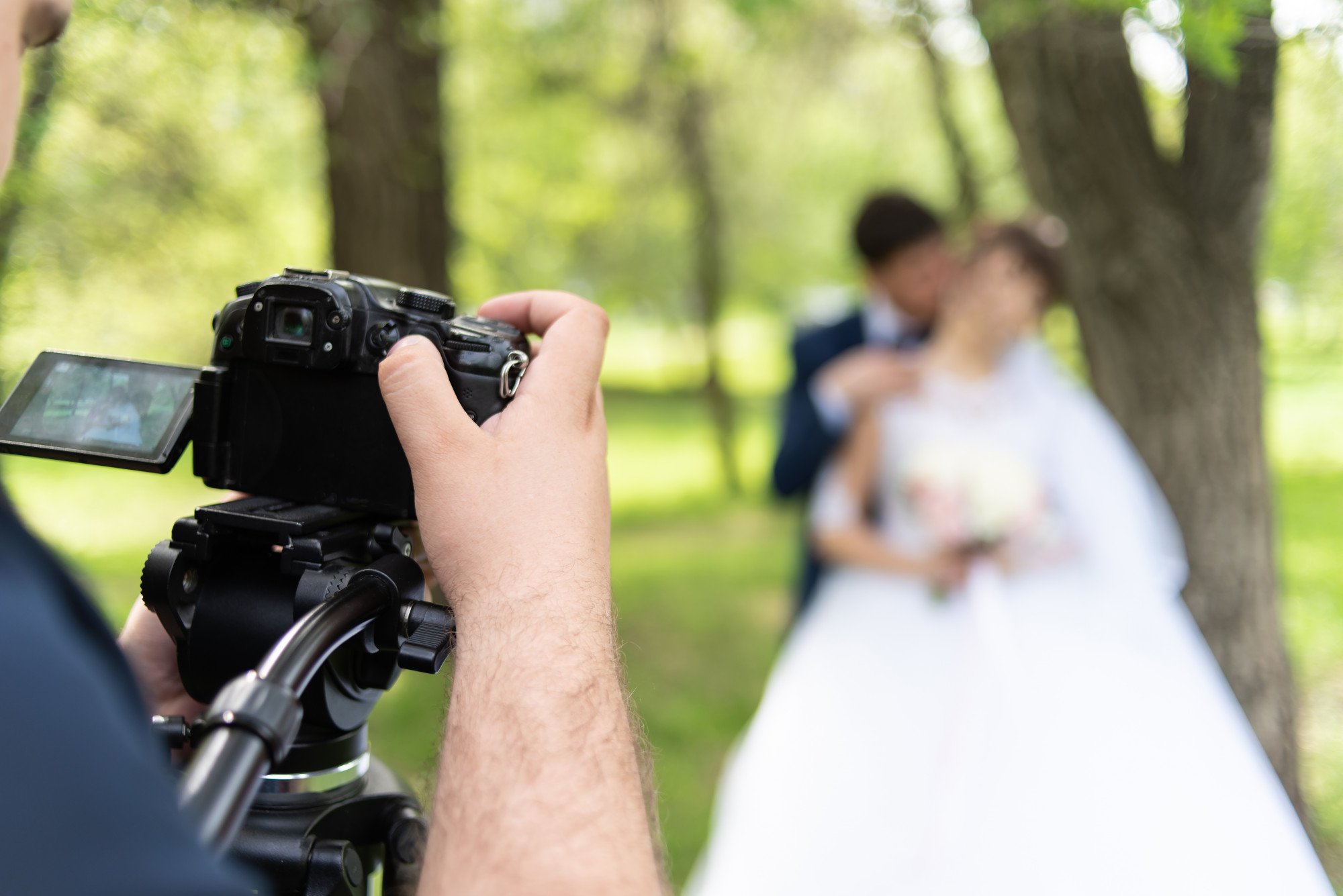
Why Jackson Hole Filming Needs Extra Prep for Shoulder Season Weddings
Spring weddings in Jackson Hole can feel like something out of a dream, especially during shoulder season.
Spring weddings in Jackson Hole can feel like something out of a dream, especially during shoulder season. The snow has started to melt, but patches remain in the shade. Trees bloom fast, streams run fuller, and skies seem to shift their color every half hour. That quick change is part of the beauty, but it also means that filming during this time needs more planning than most expect.
When couples reach out for Jackson Hole video production in late April or early May, the first thing we talk about isn't camera gear. It's the weather, the access, and how time plays differently here in the mountains. Shoulder season asks for flexibility and patience, from both the couple and the film crew. Nothing stays the same for long, and that's exactly why preparation matters so much.
Timing Is Everything in the Mountains
Spring doesn’t land all at once in Jackson Hole. Snow sticks around in certain parts of the valley well into May, and sunlight hours stretch fast from one week to the next.
That makes timing a moving target when filming weddings. Light that looked soft during the site check might be too sharp on the wedding day. Shadows fall differently. Melted snow turns into mud in the afternoon, even if that area was walkable in the morning. Schedules have to bend a little.
To keep pace with those shifts, video crews need room to breathe during the day. That means adding buffer time between location changes, scouting lighting conditions a second time closer to the actual date, and thinking ahead about whether a shot might work better one hour later. This kind of flexibility is what lets the footage feel intentional, even when nature throws a surprise.
Access Challenges in Early Spring
Not every hiking path or open-meadow viewpoint is available right away in spring. In fact, a lot of the most scenic trailheads are still closed or blocked by melting snowbanks in early May. We’ve seen it happen where a planned shot location just isn’t reachable anymore.
That’s the part people often forget. The weather may read as mild that week, but deep snow can hold out in shaded parts or higher elevation areas.
Along with snow, the ground can be muddy, sometimes to the point of making certain routes too slick to walk safely, especially in wedding attire. Pulling a camera dolly or even getting drone gear set up becomes harder in wet, soft soil.
To keep the production moving, it’s smart to have a solid Plan B (and even a Plan C). That way, if a favorite location is cut off or feels unsafe to reach on the day, filming still moves forward. The backup spots are already chosen, and the tone of the film stays consistent.
Wardrobe and Wind Don’t Always Mix
Wind is a regular guest in the shoulder season. On calm days, it holds back just enough to let the veil float softly. On breezier ones, it can push dresses, hair, and gear off course without warning.
That’s not always a bad thing. Sometimes the wind adds motion that lifts a frame. But other times, it becomes frustrating, especially if outfits weren’t picked with it in mind. Layered clothing that works with the movement often performs better on camera than stiff or heavy materials that catch in all the wrong places.
Here’s what helps the most during fitting or rehearsal:
Pick fabrics that breathe and shift in soft ways
Use hairstyles that allow for movement without losing shape
Bring outerwear that looks intentional on film, just in case it’s needed
When we talk to couples ahead of time, it’s less about dictating looks and more about working with the season. Shoulder season has its own pace. We don’t try to control it. We watch for moments when it supports the emotion already happening.
Equipment Prep for Cold-Mild Fluctuations
Mornings can still start below freezing here, even in mid-May. By midday, it’s possible for temps to rise into the 60s if the sun holds. Those fast swings don’t just affect wardrobe, they affect the gear too.
Camera batteries tend to drain quicker when exposed to cold air for long periods. One way around it is to cycle equipment in stages so something is always warming back up when not filming. But if that weather shift catches us off guard, even top-end equipment can quit too early.
Condensation is another issue. When we move from a warm interior, like a car or cabin, out into cooler outdoor air, lens fog can appear. That short delay can be the reason why a first-look or private vow ends up missed.
Filming in Jackson Hole during spring shoulder season means planning for:
Extra batteries kept warm until needed
Backup cameras stored in temperature-neutral bags
Wipes and cloth to keep lens glass dry and ready
These steps sound small, but they keep the visuals clean and the timeline smooth.
When Nature Upstages the Shot
One of the best parts about Jackson Hole is also the most unpredictable. Nature doesn’t stay in the background. It steps into the frame, pulls focus, and changes light in the middle of a single sentence.
Wildlife might appear right before the first kiss. Rapid-moving clouds might block the sun halfway through a couple's vows. A snow flurry could roll in with no warning. When those things happen, we don’t try to work around them, we adapt and let them shape the story.
That means thinking of wide shots as moveable and not overly locked to a fixed angle. If a beautiful scene isn’t cooperating, we shift into close-ups to protect the couple’s moment. If the light bursts through a clearing sky, we slow down to capture the change.
The trick is not to panic when nature adds something unexpected. Instead, we build flexibility into how we storyboard. That way the couple stays present, not distracted by sudden changes around them.
Making Shoulder Season Look Seamless
Filming weddings during shoulder season might take more planning, but the reward is real. The look is unique, spring still waking up, mountains with snowcaps, wildflowers holding onto the edge of ground frost. That kind of mix doesn’t last long, which is why it feels so special when caught on film.
We’ve learned that the key isn’t forcing a style onto the season, but listening to what it already offers. Being realistic about what the weather might do. Knowing which locations are likely to be dry. Setting up for comfort so couples can enjoy the space without rushing through it.
When we do that, the footage doesn’t just look polished. It feels honest. Shoulder season isn’t simple, but when the prep gets done right, it absolutely shows.
Planning a wedding during shoulder season means having a partner who understands how the weather shapes every frame. At Après Events, we take extra time to scout conditions, prep locations, and remain flexible so the final film feels steady and true. We have worked through snowy mornings, windy first looks, and unexpected wildlife sightings, all part of the charm of Jackson Hole. To talk with us about your own plans for jackson hole video production, just send us a note.
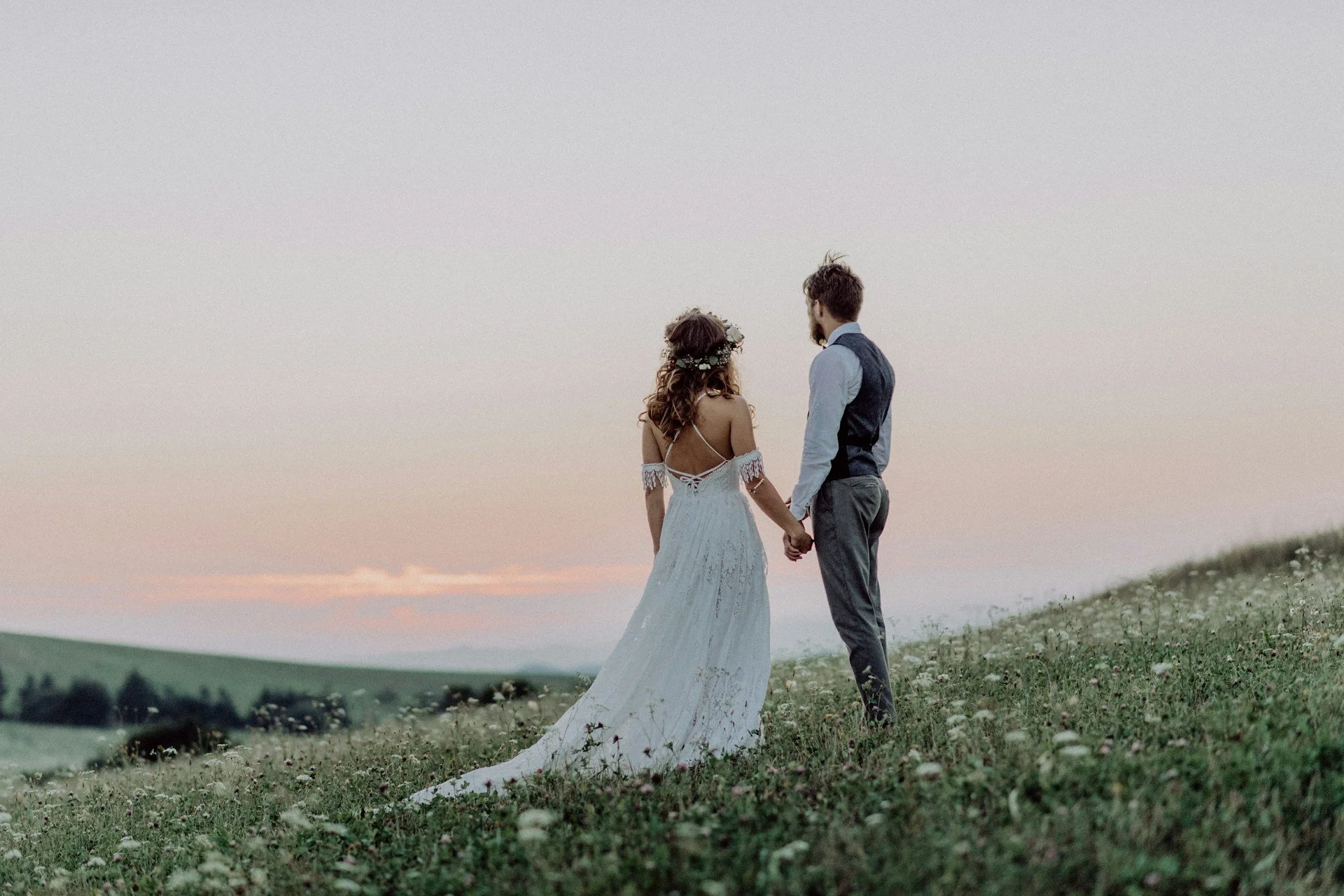
Tips for Capturing Wide Landscape Shots Without Losing the Couple
Learn how to shoot wide mountain views during spring drone weddings in Jackson Hole, WY, without missing real emotion and connection on camera.
Spring in Jackson Hole opens up a fresh kind of light. Snow starts to melt from the peaks, wildflowers dot the fields, and the skies stretch wider. It is the kind of backdrop that makes people pause. Couples planning drone weddings in May often ask how to show off all that mountain beauty without losing sight of themselves as the focus. It is a fair ask. You want the Teton Range in the shot, but not at the cost of missing real connection between two people.
We think it is possible to strike that balance. Wide views do not have to mean distant emotions. With careful choices about where the couple stands, how frames are built, and how drones move, shots can show everything, the place and the people, without one blocking the other.
Positioning the Couple Within the Scenery
When so much open space surrounds you, it can be easy for the couple to fade into the frame. The key is picking spots that naturally hold contrast. Not just for looks, but to help the couple stand out without forcing the scene.
Some of the places that work well include:
Ridge lines where sky and ground split cleanly
Open meadows that give room to move and flat light for visibility
Lakes, creeks, or reflective spots that double the interest without crowding the couple
Besides the setting, color plays a big role. If the mountains are deep green and brown, lighter wardrobe colors help draw the eye. A cream suit or pale dress provides quiet contrast. Florals can do the same, especially when they do not match the landscape colors too closely.
Having the couple move within the shot also helps. Walking paths, twirling slowly, or simply turning toward each other adds shape. Movement gives the camera something to follow and rhythms that guide where we look in the final shot.
Framing Tricks for Wide-Angle Drama
Big views can feel flat unless something holds them together. We often look for visual anchors near the front of the shot to build shape into wide angles. That might be a boulder, a weathered old stump, or a low bush catching the wind.
These small additions do a lot:
They help guide the viewer’s eye from foreground to background
They keep the shot from feeling empty, even when it is meant to show space
They give a physical sense of where the couple is standing in the scene
When we shift focus between the couple and their backdrop, it adds depth to simple frames. Starting on trees behind them, then snapping focus to a quiet hand-hold or glance brings life into the space.
Sometimes we go low. Positioning the camera at waist or knee height lets the sky fill more of the frame without losing the couple in it. From that angle, the Tetons stretch taller, and the couple feels more grounded in both emotion and posture.
Working With Drones in Mountain Terrain
Drone weddings in Jackson Hole bring something special, but flying in these mountains takes planning. Wind does not behave the same up high, and terrain can change quickly between open air and cliff sides.
We keep drone movement slow so the scene unfolds easily. Quick paths distract. Slow tracking shots allow time for viewers to take in the full setting. That speed lets moments between the couple feel natural too.
Layered terrain makes the view more interesting. We watch for places where trees, peaks, and empty space work together. Then we plan routes not just through those pretty spots, but along the couple’s own movement. That way, the drone tells their story, not just a travel video of the mountains around them.
Avoiding flight paths that cut over guests or ceremonies helps keep attention where it matters and avoids pulling focus with sound or shadow.
Timing, Light, and Weather in Spring
Spring weather in Jackson Hole keeps us on our toes. Early May brings longer days and warmer temperatures, but mountain clouds and light still shift fast. The sun can break through or disappear without notice.
We shoot wide scenes during times when the light is soft. That is usually mid-morning or right before sunset. Golden hour brings warm tones across snow patches and blooming brush without harsh shadows. In mid-day light, open shade from tall trees or structures gives us more control.
Since weather can turn quickly, we always have options ready. Bringing covers for the equipment, simple grips, or flexible mounts helps us pivot fast if wind picks up or rain rolls in. Sudden shifts happen more often high up, and spring is not always predictable.
Keeping Attention on Connection
No matter how wide the shot is, our goal is the same: hold focus on the couple and how they feel during that moment. The trick is using their gestures and expressions to draw viewers in.
We look for small cues:
A lean-in during a quiet conversation
Their body posture relaxing as they watch something together
A spontaneous laugh or even standing still, shoulder to shoulder
These moments matter more than epic views. The Tetons can hold space for those feelings, but the emotion itself is what makes a frame linger.
We design the background around those moments instead of the other way around. That way the setting supports the couple’s story without swallowing it.
Letting the Scenery Strengthen the Story
Wide shots do not have to feel posed. They can add depth when they show how a couple fits into the space they chose to marry in. We use them during parts of the day when things slow down, like private vows in an open grove or an early morning walk before the guests arrive.
That quiet time invites softer shots that still hold range. It gives everything room to breathe without drifting away from the people in it.
When the setting mirrors the tone of the moment, it adds weight to memories later. A sweeping valley below a reading of personal notes or a long pull-back from a quiet embrace helps carry the emotion of the day. These are not just pretty views. They help carry the emotion of the day.
Wide does not mean distant. It means full. When we treat the background as part of the story, not the main act, we create space for memories to feel rooted and honest.
Every choice, from where the couple stands to how we fly our drones, adds a layer to that framing. Spring is a perfect time to make those layers feel alive.
Thoughtful framing and spring mountain backdrops can set your event's tone as powerfully as the emotion behind each shot. Our approach stays grounded while allowing quiet moments to unfold on their own. From wide meadow shots to layered peaks, we plan every angle to reflect the rhythm of the day. To see how we capture the feel of drone weddings in Jackson Hole, WY, reach out to Après Events to start a conversation.
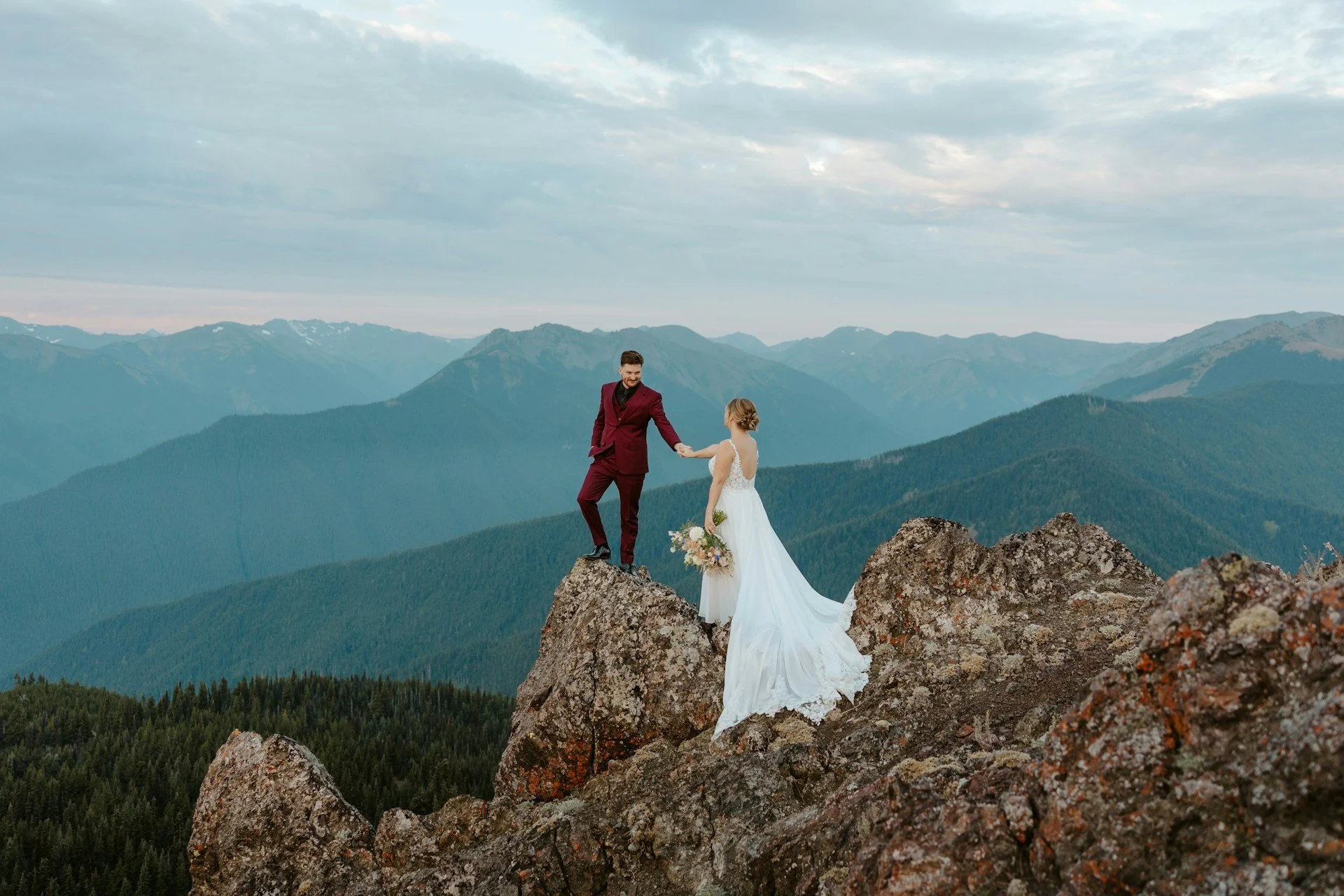
How Artistic Editing Creates the Feel of Mountain Weddings
Spring in Jackson Hole feels like a fresh breath after a long winter. The snow fades, but patches still hold on in the shady spots.
Spring in Jackson Hole feels like a fresh breath after a long winter. The snow fades, but patches still hold on in the shady spots. Rivers run high, and the hills start to turn green. It is a sweet, short season that often shows up just in time for wedding days.
But what makes mountain weddings feel different is not just the view. It is how that view is shaped in the final film. Artistic wedding films draw from the setting, the energy, and the emotion to shape something lasting. Good editing does not just show what happened. It helps people feel it again. The pacing, the color, and the images you let linger all carry weight.
That is why the editing process matters. It is not about styling things to look perfect. It is about shaping moments in a way that feels honest and full. That is what gives mountain weddings their signature mood on screen. As a premier wedding videography firm based in Jackson Hole, WY, Après Events focuses on creating heartfelt, visually rich films that reflect each couple’s genuine energy against the mountain backdrop.
Choosing Footage That Carries Emotion
Not every clip makes it into the final story. Some moments are kept, not because they are big or flashy, but because they speak.
When we sort through a wedding, we are watching for more than smiles. We look for strong visuals that say something quiet on their own. This often means:
Long looks between partners that stretch on just a beat past the camera flash
A walk down a trail when the wind picks up a veil or a jacket flap
A still frame when the light stuns the tips of the mountains as someone watches in silence
These small things add weight. We pay attention to movement, pauses, and angles. When someone takes a breath or touches someone's hand without thinking, it can become the anchor for a piece of the film. That natural balance between loud laughter and quiet glances allows the editing to mirror the feel of the day, not just the timeline.
The Role of Natural Light and Color in Storytelling
In Jackson Hole's spring, the sun can peek through passing clouds and then disappear five minutes later. That shifting quality matters when grading the film.
Soft light is common during this time of year. Snowmelt haze, chilly air, and sun flares all blend into a palette that is gentle without being washed out. Through editing, we can guide that palette forward:
Bringing out the gold tones during sunset over the hills
Adjusting blues to match the cool air still lingering in the early mornings
Keeping color ranges subtle so that skin tones feel natural against bold mountain views
The goal is not to change the story with color. It is to match the look of the light to the feeling people had in that moment. Light carries emotion. It sets the mood without words.
Shaping the Story With Sound and Silence
Audio brings the moments alive. The sound of vows, the shuffle of feet on gravel, or a gust of wind can hold just as much meaning as words. Springtime in the mountains offers texture, and we try to keep that texture intact.
Layering natural sound under spoken audio or music turns visuals into memories. We often include:
Creek sounds behind quiet interviews or open scenery shots
Laughter from guests, carried on the breeze between scenes
Crisp silence in a high meadow before the ceremony begins
Breaks in sound matter. Silence does not mean nothing is happening. It lets big beats settle. It allows viewers to imagine how that moment felt to stand in. In wedding films, those pauses give space to remember.
Rhythm and Flow Create Meaning
When editing a wedding, we are trying to match the energy from the day with how it should feel to watch. The rhythm of cuts, transitions, and pacing is not random. It is shaped by the pace of real people going through big moments.
Some events move quickly. Speeches. Music. Dancing. Others slow down without anyone realizing it, when a couple is alone for their first look, or when someone wipes away a tear at the table.
We take those changes and work them into how the film moves:
Slow transitions when the forest grows quiet
Faster edits when the crowd is singing
Hard cuts to match surprise or laughter
Soft fades when someone is walking down the aisle
By matching the cut style to the setting, the film becomes a better reflection of what it was like to be there. Mountain weddings invite a slower pace at times. They ask to breathe.
How Editing Style Reflects the Couple
Every couple has different energy. Some are outgoing and bold. Some are quiet and strong. We try to let that nature guide our editing.
Instead of forcing every film to follow a fixed structure, we ask early questions. Where did they linger? What moments pulled the couple in? How did they move around each other?
From there, we make decisions like:
Letting consistent eye contact hold longer when connection drives the couple's story
Cutting between large group cheer and small hands holding when contrasts matter
Letting breath or walking sounds stay in to keep things grounded
Weddings in nature come with their own sense of calm and surprise. Editing that reflects both mood and personality helps it feel like no film could have been anyone else's.
The Feeling That Lasts
We cannot stop time. But through editing, we can slow it just enough to let people feel something again.
Artistic wedding films use editing as the bridge between memory and experience. They press pause on moments that might have gone by too fast. They let a look or laugh stay longer than it did in real life. What is remembered is not the exact timing, but the feeling. Honesty. Warmth. Nature appearing in the background.
In mountain weddings, there is something about the open sky and quiet wind that sticks around. When the right sounds, cuts, and colors come together, that same feeling stays with the couple long after the last champagne toast. That is why the edit matters. It holds onto what the moment gave, so it still reaches through the screen.
At APRES Events we bring mountain weddings to life by filming in Jackson Hole, WY and beyond so that every project reflects a unique rhythm shaped by the interplay of light, sound, and the quiet moments in between. Our creative approach makes the surroundings an integral part of every couple's celebration, and you can see our attention to detail as we handle framing, pacing, and color in our artistic wedding films. If you are planning a celebration with the Tetons in sight, please reach out to us via our contact page.